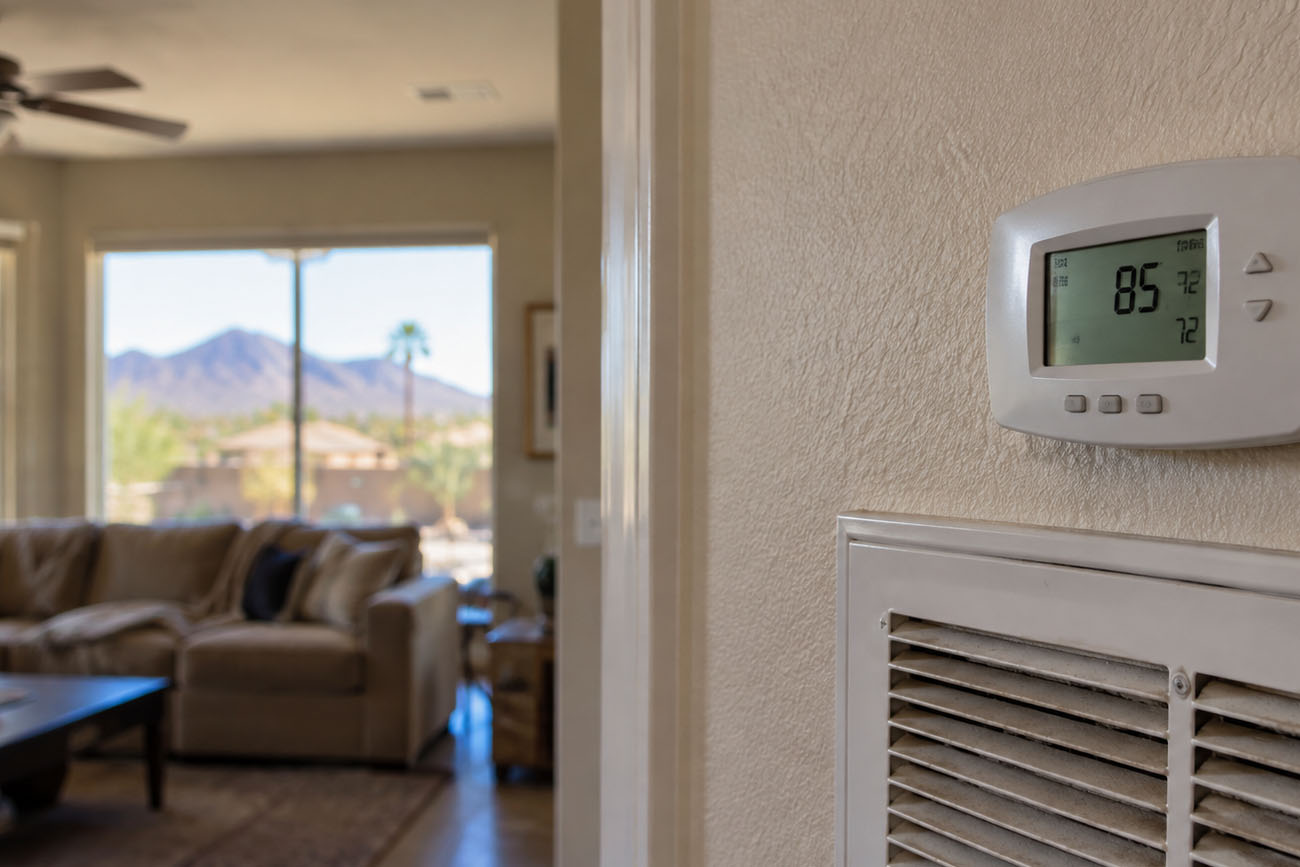
Henderson summers push air conditioners to their limits. When the thermostat never quite reaches the set point, supply vents feel lukewarm, and the outdoor unit runs for hours, the problem becomes more than an inconvenience. Prolonged strain in 110-degree weather can turn a minor restriction or control issue into a major repair. This guide focuses on one problem homeowners often face during peak heat: an air conditioner that runs but does not cool effectively. You will learn how to recognize early warning signs, which safe checks you can perform without tools, when to stop and call a professional, and how to reduce the chance of the problem returning once desert dust and extreme heat settle in.
Early Signs Your AC Is Losing Its Grip on the Heat
Several clues can appear before the indoor temperature drifts far from the thermostat setting. Weak airflow from supply registers, longer-than-normal cooling cycles, or frequent short cycling may point to airflow or control problems. A warm suction line at the outdoor condenser, ice on the larger copper line near the air handler, water pooling beneath the furnace closet because of a clogged condensate drain, or a musty odor from a wet evaporator coil can all indicate trouble. If indoor humidity feels unusually high even while the system is cooling, the evaporator coil may be dirty or partially frozen, reducing heat transfer.
Local conditions can worsen these symptoms. Rooftop condensers sit in direct sunlight, attic air handlers operate in extremely hot surroundings, and wind-blown grit can clog condenser fins. On the first 110-degree day, a homeowner might notice the indoor temperature rising in the late afternoon while the thermostat stays set to Cool and the fan runs continuously. Technicians responding to air conditioning repair in Henderson calls often encounter preventable problems in these situations, including restricted airflow from a dirty filter, dust covered outdoor coils, or a drain float switch that intermittently shuts off cooling.
What Usually Causes Warm Air and Long Run Times
Airflow restrictions are among the most common causes. A clogged return filter increases static pressure, reduces blower airflow, and can allow the evaporator coil temperature to fall below freezing. Frost then builds on the coil and acts as insulation, reducing heat transfer even while the system continues running. Closed or blocked supply registers, crushed flexible ductwork in the attic, or a dirty blower wheel can add even more resistance. Outside, a condenser coil covered with dust, debris, or plant material cannot release heat efficiently. Operating pressure rises, the compressor works harder, and the indoor temperature may barely change.
Control and refrigerant problems can create similar symptoms. A weak capacitor may prevent the condenser fan or compressor from starting correctly, resulting in a loud humming sound and warm air from the vents. A damaged contactor may interrupt power and create symptoms that resemble short cycling. Low refrigerant caused by a leak can also reduce cooling capacity and may lead to longer runtimes, occasional icing, and poor temperature control. In some homes, leaks in return ductwork located in a hot attic pull extremely warm air into the system, reducing cooling performance and increasing runtime.
Safe Checks You Can Do Without Tools
Start with airflow. Replace a visibly dirty filter with one that matches your system’s size requirements. Filters with higher MERV ratings can capture finer particles but may also increase resistance if the filter area or return system is too small. Make sure furniture, boxes, or other objects are not blocking return grilles, and open all supply registers to reduce unnecessary system resistance. At the thermostat, confirm that Cool mode is selected, the temperature setting is reasonable for the outdoor conditions, and the fan is set to Auto rather than On.
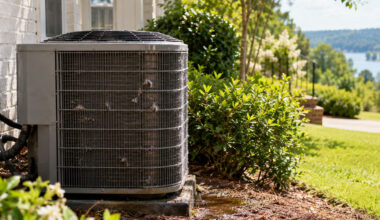
Next, inspect the outdoor unit. If you can safely disconnect power per the manufacturer’s instructions, remove light debris from around the condenser and gently rinse accessible coil surfaces, if appropriate. Avoid high pressure water because it can bend the delicate fins. Maintain approximately 2 to 3 feet of clear space around the outdoor unit so air can move freely. Indoors, inspect the condensate drain area and secondary pan if they are visible. Standing water or evidence of an activated float switch may indicate a drainage problem. If you notice frost on the larger copper line or an icy air handler cabinet, turn off the cooling system and let the equipment thaw before trying again.
When to Stop Troubleshooting and Call a Professional
Certain conditions should be left to a licensed technician. If the breaker trips more than once, the outdoor unit buzzes loudly without the fan or compressor starting, or ice returns soon after the system has completely thawed, stop operating the equipment. Continuing to run the system may cause additional damage. Refrigerant leaks, damaged capacitors, burned wiring, electrical contactor problems, or persistent water around the air handler also require professional evaluation.
A technician may measure static pressure across the filter and coil, check blower settings, inspect and clean the blower wheel, test capacitors and electrical components under load, and verify refrigerant performance using measurements such as superheat and subcooling. These tests help identify the actual cause rather than relying on guesswork or simply adding refrigerant.
Timely service matters in desert heat because prolonged operation under high pressure or inadequate airflow puts extra stress on the compressor and fan motors. A technician can also identify issues that resemble equipment failures, such as a poorly located thermostat or damaged ductwork in a hot attic. Rooftop equipment and attic systems also create access and safety concerns that make professional testing especially important.
Preventing a Repeat in Desert Conditions
Dust, extreme heat, and long cooling cycles create demanding conditions, so preventive maintenance can make a significant difference. Inspect one inch filters regularly during summer and replace them when they become dirty. Depending on the system design, some homes may benefit from a deeper media filter cabinet that provides more surface area with less airflow resistance. Keep the condenser free of debris, especially after strong winds or dust storms, and maintain adequate clearance around the cabinet.
Inspect accessible ductwork for obvious damage or leaks and have appropriate repairs completed with suitable sealing materials. Insulated supply ducts can also reduce heat gain as conditioned air travels through hot attic spaces. Managing the home’s cooling load can help as well. Shade west-facing windows, use appropriate window coverings, and use ceiling fans may improve comfort without forcing the air conditioner to run at an unnecessarily low thermostat setting.
Avoid large thermostat changes that require the system to recover several degrees during peak heat. A steadier indoor setting may reduce strain during the hottest periods. During professional maintenance, ask about evaporator coil condition, blower cleanliness, condensate drainage, capacitor and contactor performance, and refrigerant measurements based on manufacturer specifications.
Know the Pattern Before the Next Heat Spike
Recognizing early signs of reduced cooling performance, doing a few safe checks, and knowing when to stop troubleshooting can help prevent a small problem from becoming a larger failure. Henderson’s dust and extreme temperatures place extra pressure on marginal airflow, dirty coils, and worn electrical components. Regular filter checks, clear condenser airflow, and proper condensate drainage can help the system run more reliably.
If problems continue after the basic checks, avoid repeated breaker resets and trying to repair electrical and refrigerant components yourself. Record thermostat readings, unusual noises, breaker behavior, icing, weak airflow, and the time of day when symptoms become worse. Clear observations can help the technician identify the underlying problem more efficiently and prepare the system for the next period of extreme heat.