Most pest advice you read is written for a generic American suburb, and that’s why it keeps failing people who live three miles from the ocean. In Costa Mesa, you’re dealing with marine layer fog in June, dry Santa Ana winds in October, and a parade of renters and remodel crews moving through neighborhoods all year. That combination produces a pest calendar nothing like the one on the back of a hardware store spray can.
I’ve watched this play out in a very specific way: a friend on a quiet street off Baker kept finding ants in her kitchen every single September, sprayed the baseboards, and watched them come back by Halloween. She wasn’t lazy. She was fighting the wrong battle at the wrong time of year. If that sounds familiar, pest control in costa mesa is the practical shortcut, because a local crew already knows which species show up in which month on which side of the 405. But you can do a lot of the work yourself once you understand the rhythm.
This is that rhythm, mapped out. No scare tactics, just the pests that actually show up here, when they show up, and the handful of habits that quietly decide whether your house stays boring or turns into a spring break destination for insects.
What the coastal climate actually does to pest pressure
Here’s the contrarian take: the fog is doing more damage to your house than the heat. People assume Southern California pests peak in August. In practice, the wet marine layer that rolls in overnight gives ants, spiders, and earwigs a moisture window that inland cities like Riverside simply don’t get. According to baseline data from the National Weather Service, coastal Orange County routinely runs cooler and damper than areas just a few miles inland, and that damp air is what keeps the pest population active longer into the year.
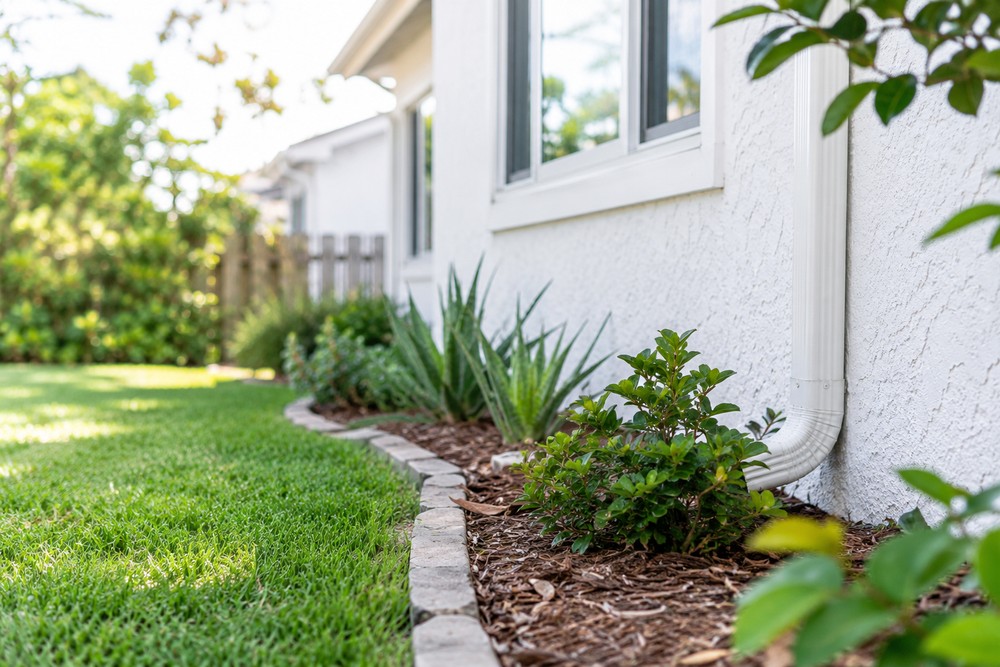
What that means for you is unglamorous. Your exterior walls stay slightly humid at night, which makes them a hospitable highway. Mulch beds hold that moisture for hours after sunrise. And any gap where the stucco meets the foundation becomes a doorway that never dries out.
I’d take a dry inland lot over a foggy coastal lot every time if I were trying to avoid pest problems. You don’t get to choose your lot, but you do get to choose how close your plants sit to the house. Pull that mulch back a foot and you’ve closed a surprising amount of the gap.
The Costa Mesa pest calendar, month by month
Not every pest deserves equal worry, and timing your effort poorly wastes both money and weekends. Here’s how the year tends to break down for a typical single family home here.
| Season | Most likely visitor | Where you’ll notice it |
|---|---|---|
| Late winter (Jan to Mar) | Rats and mice | Garage, attic, behind appliances |
| Spring (Apr to Jun) | Ants, spiders | Kitchen counters, bathroom corners |
| Summer (Jul to Sep) | Roaches, wasps | Under sinks, eaves, patio rafters |
| Fall (Oct to Dec) | Rodents, termite swarmers | Crawlspace, door thresholds, wood trim |
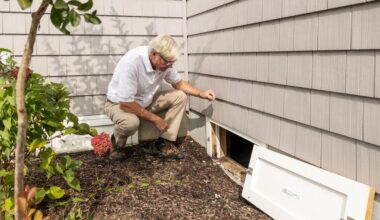
The rodent shift in late fall is the one that catches people off guard. Santa Ana winds dry everything out, nights get cooler, and rats start looking for a warm wall to nest inside. If you’ve never checked your crawlspace access panel, do it in October. That single habit has saved more Costa Mesa homeowners a repair bill than any spray.
Three habits that beat almost any spray can
I’m not going to pretend a homeowner can eliminate an established infestation with a jug of concentrate from the hardware store. But prevention is genuinely cheap, and these three habits carry most of the weight.
- Dry out the perimeter. Fix the drip irrigation head that’s soaking your foundation line. Reduce watering on the beds nearest the house.
- Starve the scouts. Ants send scouts first. Wipe counters with vinegar, seal cereal and pet food in containers, and take the trash out before bed rather than in the morning.
- Close the vertical gaps. Door sweeps, weatherstripping, and a tube of sealant around pipe penetrations cost less than a dinner out and close the routes most pests actually use.
Skip foggers. They make a lot of noise and drama and rarely reach the nest, which is the only part that matters.
When DIY stops being worth your Saturday
There’s a clear line, and it’s easier to spot than people think. If you see pests in two or more rooms, if you find droppings, or if the same species returns within two weeks of your own treatment, you’re past the prevention stage and into the source-elimination stage. That’s a different job.
Integrated pest management is the framework professionals work from, and it’s worth knowing the term because it tells you what to ask about. The University of California’s Statewide IPM Program describes the approach as inspection first, targeted treatment second, and prevention as the long game. If a company quotes you a price over the phone without asking a single question about your property, keep dialing. Good work starts with someone walking your yard.
My own rule: if the problem involves a crawlspace, a roofline, or anything with a stinger, I’m calling someone. Everything else I’ll handle myself.
What to ask before you sign anything
A short checklist saves you from the most common regret, which is paying for a recurring plan that never addresses the actual species on your property.
- Will you inspect before quoting, and will you tell me the species by name?
- What’s the treatment for the specific pest, not pest control in general?
- Is the recurring visit monthly, quarterly, or on call, and what triggers a free return trip?
- Are the products you’ll use around pets and kids, and what does the label require me to do beforehand?
That last one matters more than most homeowners realize. The Environmental Protection Agency regulates pesticides and requires label instructions to be followed exactly, so any technician who waves off your question about reentry time is telling you something about how they work. A good crew will hand you the label language without being asked twice.
Your five minute fall walkthrough
Do this once in October and once in April. Walk the outside of your house with a flashlight, starting at the front door and moving clockwise. Check the door sweep, the garage threshold, the hose bib where it meets stucco, the base of the fence line, and the crawlspace panel. Note anything with daylight coming through it. Then walk inside and look under the kitchen sink, behind the fridge, and along the baseboards in the bathroom.
You’re not hunting pests. You’re hunting openings. That mindset shift is the entire game, and it’s the reason some houses on your street never seem to have a problem while others fight the same ants every year.
Costa Mesa gives you fog, dry winds, and a steady stream of neighbors, contractors, and delivery trucks tracking the outdoors across your threshold. You can’t control any of that. You can control how many doors you leave open, and how early you call for help when the scouts turn into a full invasion. Schedule the inspection before the season turns, not after you’ve already lost the kitchen counter, and the rest of the year gets a lot quieter.