A hospital floor, a community clinic, or a public health project can be an eye-opening setting for a teenager. Yet the difference between a resume line and real growth often comes down to structure. High school students who prepare with clear learning targets, understand basic hospital etiquette, and capture de-identified reflections leave with skills they can name and evidence they can show. This article outlines a practical plan to turn observation into learning: define one clinical goal you can practice, arrive ready with required clearances and terminology, make shadowing active using simple tools, protect privacy and safety every minute, and translate hours into artifacts and references that matter.
Choose One Practicable Clinical Goal
Before day one, set a specific goal you can practice repeatedly, such as accurately recording vital signs vocabulary, including systolic and diastolic blood pressure, respiratory rate, and oxygen saturation, or summarizing encounters using a SOAP note framework. Keep the scope realistic for a minor and always within site rules. If you will be in the emergency department, aim to observe triage flow and practice SBAR handoff summaries aloud during debriefs with a mentor. If you visit a community health program, focus on a public health skill like drafting a short health education message on hand hygiene or mapping barriers to vaccination using simple incidence and prevalence terms.
Get Ready With Baseline Knowledge and Clearances
Most clinical sites require immunization records, a negative TB test, closed-toe shoes, and HIPAA basics training. Put required paperwork in one folder and bring a backup copy. Learn 30 to 40 medical abbreviations you will hear daily, such as PRN, BID, HR, and SpO2. A short primer on infection control, PPE sequencing, including hand hygiene, gown, mask, eye protection, and gloves, and sterile versus clean technique reduces hesitation on the floor. If you are comparing programs, favor ones that build safety and reflection into the schedule, such as a structured medical internship for high school students with clear objectives, mentor check-ins, and guidance on privacy-safe note-taking.
Match your prep to the setting. A hospital-based placement benefits from learning EMR vocabulary, unit roles, and patient flow from admission to discharge. A community clinic or public health track benefits from survey design basics, consent language for outreach, and cultural humility. Decide early whether your priority is clinical exposure, research tasks, or health education. Each track requires different readiness: lab-based experiences may require long sleeves tied back and no fragrances; outreach may require learning how to phrase de-identified screening questions respectfully.
Make Shadowing Active With Simple Tools
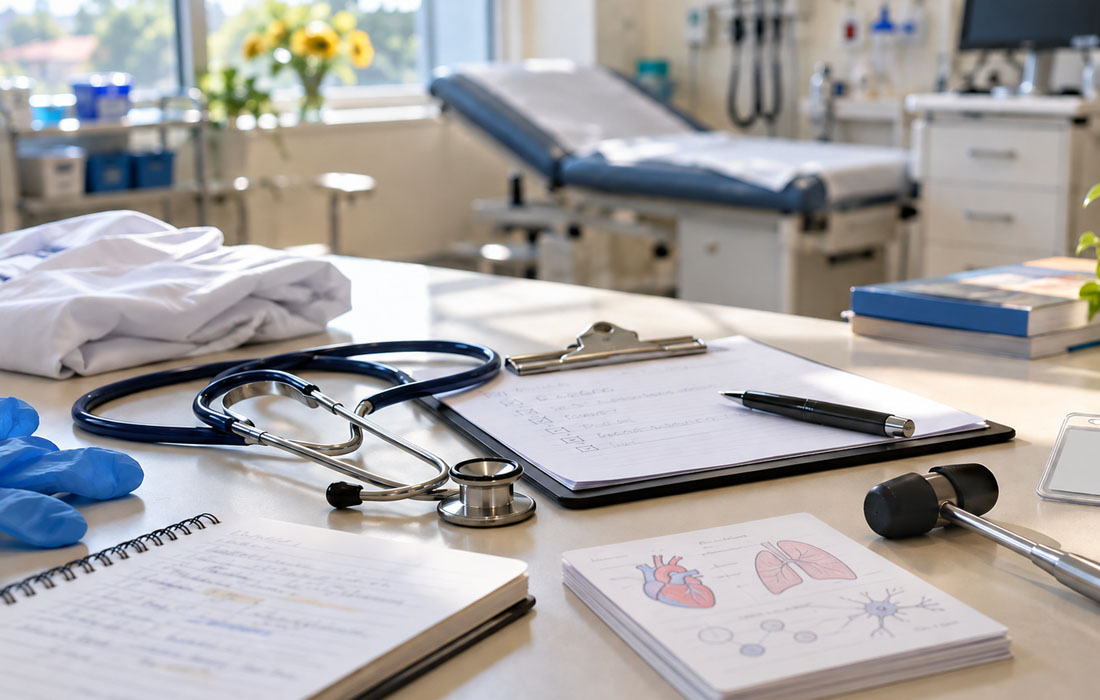
Observation sticks in your memory when paired with quick, structured practice. Carry a pocket notebook and print a one-page SOAP template to summarize deidentified cases after each room exit. Keep a small card with vital sign ranges and common medications you hear often, such as acetaminophen or albuterol, so that you can decode context quickly. During permitted skills labs or simulations, practice wrapping a sphygmomanometer cuff correctly on a model, count a respiratory rate with a timer, and use SBAR to present a scenario to a mentor. If you encounter equipment like a stethoscope or otoscope, ask for a demonstration first, practice only in allowed simulations, and log what you learned. A simple time-stamped observation log that notes the unit, chief complaint, and two learning points per patient encounter makes post-shift debriefs focused and productive.
Protect Patients: HIPAA, PPE, and Consent in Real Settings
Privacy and safety are nonnegotiable. Keep phones away and never record names, dates of birth, room numbers, or images. In your notes, refer to patients generically, such as “adult with shortness of breath,” and omit details that could identify a person. Ask your mentor what you may observe before entering any room and step back immediately if anyone seems uncomfortable. Use PPE exactly as instructed for each room: perform hand hygiene on entry and exit, don gloves only when directed, and do not touch sterile fields. A common mistake is treating debriefs as private spaces and casually sharing details there; they are not. If you accidentally jot a name, strike it out and tell your mentor so they can confirm proper disposal. These habits protect patients and show the maturity mentors notice.
Turn Hours Into Evidence: Reflection, Artifacts, and References
Convert experience into materials you can safely share. After each day, write a de-identified SOAP reflection that highlights two clinical terms you learned and one ethical question you considered. Compile a small portfolio with sample artifacts that do not include patient information: a draft of a handwashing poster you created for a clinic wall, a de-identified workflow map for triage, or a one-page infographic summarizing social determinants you observed in the clinic’s ZIP codes. Track dates, hours, and supervisor contact information in a simple spreadsheet so you can later request a verified summary of participation. When appropriate, ask a mentor for feedback on one concrete item, such as the clarity of your SBAR summary, rather than a general evaluation.
Keep momentum without breaking rules. Share de-identified reflections with a teacher for writing feedback, take a BLS or CPR certification course if available to minors, and look for volunteer roles that apply what you practiced, like stocking PPE carts, assembling patient education packets, or supporting a school health fair. A month after the program, send your mentor a brief note with one paragraph on how you have applied a specific skill, a single question you are exploring, and thanks for their time. You are not asking for a letter yet; you are maintaining a professional connection while respecting their schedule.
Two realistic scenarios show how structure changes learning. In a busy ED, a student who sets a goal to practice SBAR might shadow triage, jot de-identified notes on two chest pain presentations, and present one-minute summaries to a nurse mentor during a scheduled debrief. Over a week, those summaries become crisper and closer to clinical language. In a community clinic, a student might notice repeated confusion about inhaler technique, draft a one-page pictorial guide with staff input, and leave the internship with a feedback-marked draft and a short reflection on health literacy. Neither student performed unsupervised clinical tasks, but both left with skills, artifacts, and vocabulary they can explain clearly.
A thoughtful plan turns a high school medical internship into more than shadowing. By choosing one practical goal, arriving with baseline knowledge and clearances, using structured tools during shifts, protecting privacy and safety, and building a small portfolio, you set yourself up for real growth. These habits make future volunteering, courses, and mentorships easier to pursue because you can describe exactly what you practiced and how you learned it.