Water on the floor or an overflowing toilet can feel chaotic, but the first few minutes matter most. Quick, safe steps can limit damage to drywall, cabinets, flooring, and electrical devices while setting up an efficient repair. This guide focuses on what to do immediately when you face a burst supply line, a sewer backup, a failed sump pump, or a water heater problem. You will learn where to shut off water, how to stabilize overflows, what actions to avoid, and how to prepare access points like cleanouts and shutoff valves. With a bit of know-how, you can turn panic into a controlled pause until a licensed plumber arrives.
Off Water Without Creating New Hazards
Find the main shutoff first. In many Nebraska homes, a ball valve sits where the service line enters the basement; move the lever a quarter turn until it is perpendicular to the pipe. Older homes may have a gate valve near the water meter; turn it clockwise until snug, but don’t force a stuck handwheel. At fixtures, close stop valves under sinks and behind toilets to isolate one problem. If the issue involves the water heater, close its cold inlet valve, then switch an electric unit off at the breaker to prevent dry firing an empty tank; set a gas control to pilot. Once you stop the flow, contact a licensed pro; teams that provide local plumbing services in Papillion can advise you on next steps by phone while you wait.
Stabilize Leaks, Overflows, and Backups
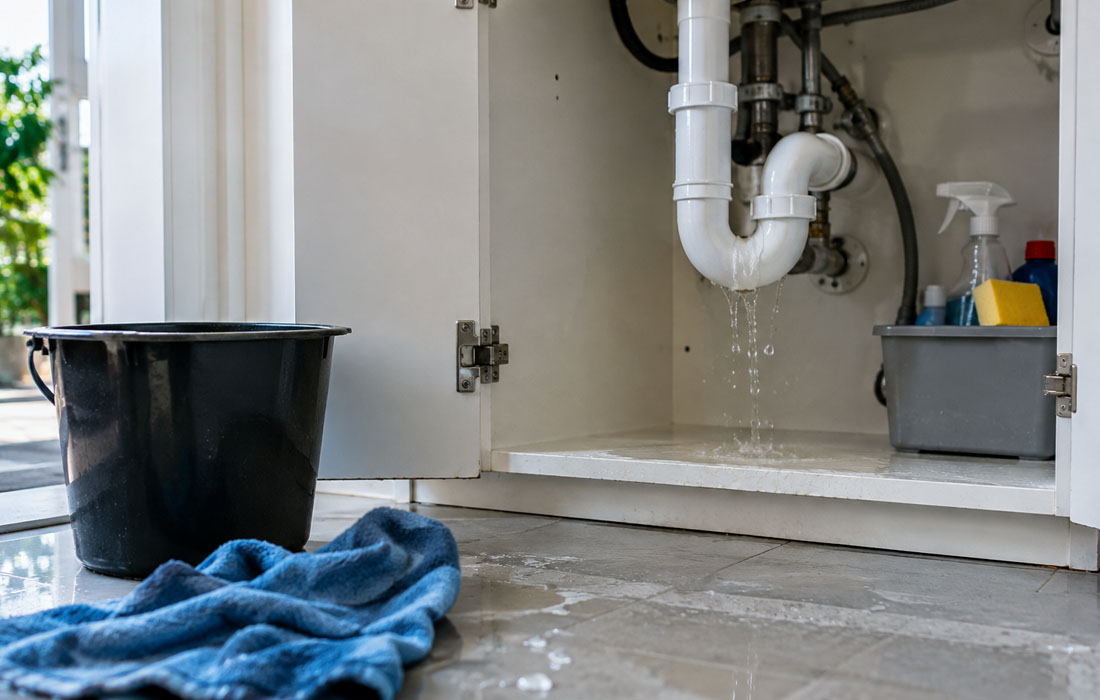
For a toilet overflow, lift the tank lid and press the flapper closed to stop refill, then close the supply stop at the wall. Avoid repeated flushing that can dislodge the wax ring and push more water onto the floor. At a sink, set a bucket under the P-trap and use towels to catch drips from braided supply lines or compression fittings. If a basement floor drain backs up during a thunderstorm, pause the dishwasher and washing machine so you aren’t adding discharge to a stressed main. Locate a cleanout cap near the foundation wall or in a flower bed, but do not wrench a stuck cap without the right tool and eye protection. For a failing sump pump, unplug it if it runs dry or overheats, then check the float switch and clear debris before retesting.
What Not to Do While You Wait
Skip chemical drain openers in a slow or blocked line. Caustics can pool behind a clog and splash during snaking or hydro jetting, creating a burn hazard for you and your plumber. Do not stick a hand into a jammed garbage disposal; turn off its switch, cut power at the breaker, and use a hex key in the bottom port to free the flywheel. Resist flipping the temperature and pressure relief valve on a water heater to “drain off” hot water; that valve protects the tank and should not be used as a control. Avoid open flame torches on frozen copper or PEX. A space heater or hair dryer aimed at the pipe, plus opened cabinet doors, warms slowly without scorching joists or melting nearby PVC traps.
Prepare Access So Repairs Go Faster
Clear a path to key areas: three feet around the water heater, the main shutoff, and any indoor or outdoor cleanouts. Empty under-sink cabinets so P-traps, dishwasher tailpieces, and angle stops are visible. Outside, look for a 3-inch or 4-inch cleanout in a planting bed or near the driveway; brush away mulch so a technician can run an auger or camera quickly. Take a few photos of leaks around hose bibbs, the pressure regulator (PRV), or the expansion tank. Note pipe types you see, such as copper, CPVC, PVC, or ABS, and any corrosion at dielectric unions. Two common scenarios show why access matters: a holiday kitchen clog full of grease and fibrous peels often needs the trap removed and a cable sent through the wall bend; a slow mainline with tree roots benefits from opening the yard cleanout so a cutter head can reach the 4-inch sewer line efficiently.
After the Flow Is Stopped: Quick Checks and Follow Up
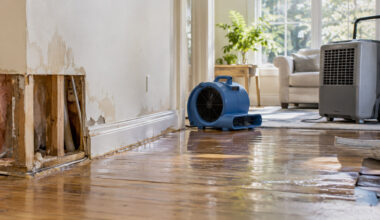
Blot standing water with towels, then set fans and a dehumidifier to protect hardwood from cupping and MDF toe kicks from swelling. Test nearby GFCI outlets and move extension cords off wet slabs.
High humidity levels following major water spills or leaks can also put added strain on home ventilation systems and indoor air quality. Managing moisture quickly with fans helps prevent mold, while reviewing home cooling and air filtration options can keep indoor spaces comfortable during cleanup. You can learn here how maintaining balanced airflow supports home recovery after excess moisture events.
Water leaks near appliances or outlets can create immediate hazards, so addressing wiring and safety controls is essential during cleanup. Homeowners who need assistance with wiring repairs, panel checks, or outlet replacements after severe leaks can consult https://www.legacyservicesac.com/electrical-services to ensure their home systems are completely safe before turning power back on.
When water returns, purge air and sediment: open the highest hot faucet first, then work down, finally cleaning aerators to remove grit. If you shut down a softener, return it from bypass. Verify that the sump pump float moves freely and the check valve closes with a crisp thump. If a toilet overflowed at the base, watch for seepage that suggests a compressed wax ring. Decide on next steps: repeated sewer backups call for a camera inspection after cabling, while a one-off clog may not. If your water meter spins with all fixtures off, you likely have a hidden supply leak that needs prompt evaluation.
Every plumbing emergency is different, but the same principles limit damage: stop the water safely, stabilize the area, avoid risky quick fixes, and make key access points easy to reach. Label your main and fixture shutoffs with tags so anyone in the home can shut them off. Consider adding water hammer arrestors at noisy laundry valves, insulating pipes over unheated garages, and testing your sump pump before spring storms. Keep a basic kit ready with a flashlight, adjustable wrench, towels, and a wet/dry vacuum. With a calm first 15 minutes and a clear handoff to a licensed plumber, most incidents become manageable repairs instead of major losses.