Key Takeaways
- Review the home’s electrical capacity before adding high-demand equipment.
- Check the panel, existing circuits, wiring, and visible warning signs.
- Include EV chargers, heat pumps, water heaters, ranges, and battery systems in load planning.
- A professional load calculation can help determine whether an upgrade is needed.
- Consider options such as dedicated circuits, subpanels, load management, or service upgrades.
- Follow local electrical codes, permits, and inspection requirements.
- Avoid using extension cords as permanent solutions for high-demand equipment.
- Smart energy management can help coordinate major electrical loads.
- Plan for future equipment and charging needs when making upgrades.
- Use qualified electrical professionals for major electrical work.
Electric vehicles, heat pumps, induction ranges, battery storage, and connected home technology can make a household more efficient and convenient. They can also change how much electricity the home needs at any given time. Before adding major equipment, homeowners benefit from understanding the condition, capacity, and layout of the electrical system. A practical plan starts with an honest review of the panel, existing circuits, and future goals. Homeowners who need help evaluating possible improvements can explore https://servicefirst-hvac.com/electrical/ as part of their initial electrical planning.
Why Home Power Demand Is Growing
Many older homes were designed around lighting, standard kitchen appliances, and a relatively small number of electronics. Today, one household may use a heat pump, electric water heater, home office equipment, entertainment systems, and vehicle charging equipment. The important issue is not simply how many devices are plugged in, but which large loads can operate at the same time and for how long. An EV charger can draw electricity for hours, unlike a toaster or microwave that typically runs briefly. Adding several large electric loads does not automatically mean the home needs a complete service upgrade. It does mean the home should receive a capacity review before equipment is selected or installed.
Check The Current Electrical System
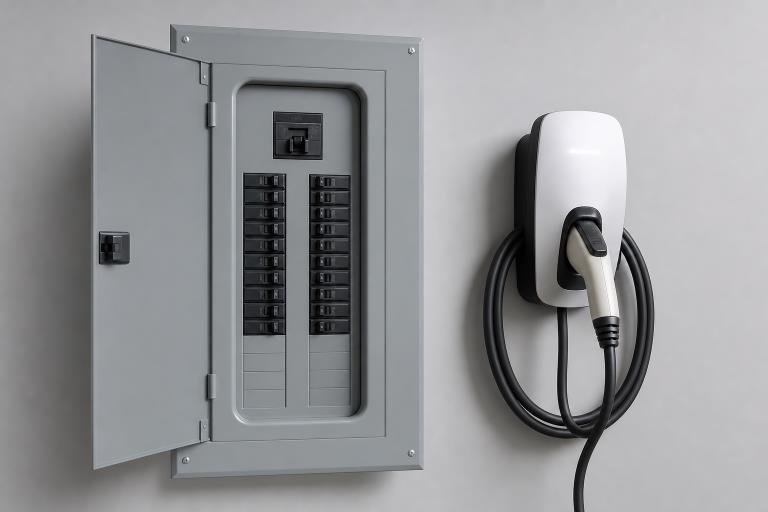
Start by locating the main electrical panel and reading the service rating printed on the main breaker or panel label: note available breaker spaces, the approximate age of the home, and any known electrical updates. A fuse box, an overcrowded panel, or older equipment may require closer attention before new high-demand circuits are added. Watch for warning signs such as frequently tripped breakers, lights that dim when equipment starts, buzzing near the panel, rust, scorch marks, warm outlets, or a burning smell. These conditions deserve prompt attention. Homeowners may visually inspect the outside of a panel, but they should not remove its cover or touch internal electrical components.
Plan For Home EV Charging
Level 1 charging generally uses a standard 120-volt household outlet and may suit drivers with modest daily charging needs. Level 2 charging generally uses a 240-volt circuit and can provide more charging capability for many vehicles. The U.S. Department of Energy explains that Level 1 can work for some overnight needs, while Level 2 equipment is commonly used for faster home charging. Level 1 and Level 2 charging options should be compared with the vehicle’s needs and the home’s available electrical capacity. A Level 2 charger normally needs a dedicated circuit. Plan the location carefully by considering parking position, cable reach, garage clearance, outdoor weather exposure, and protection from vehicle contact. Select the charging equipment only after confirming that the electrical system can support the intended circuit.
Account For Other High-Demand Equipment
An EV charger should be evaluated alongside every other major electrical load in the home. Heat pumps may have seasonal demand and, in some installations, supplemental electric heat. Induction ranges, electric water heaters, hot tubs, workshop tools, and battery systems can also require dedicated circuits or specialized installation planning. Battery storage adds another layer of design because it may involve an inverter, charging equipment, and selected backup circuits. A home office usually draws less power than a heat pump or range, but computers, monitors, networking equipment, and backup power devices should still be included in a complete plan.
Review The Home’s Electrical Load
A professional load calculation is the clearest way to determine whether the existing service can support planned equipment. It considers major appliances, heating and cooling equipment, voltage and amperage information, continuous loads, and which devices may operate at the same time. Panel space and panel capacity are different issues. A panel can have open breaker positions but insufficient capacity for another large load. Conversely, it may have enough electrical capacity but no physical room for a new breaker. Both questions should be answered before deciding on an upgrade.
Compare Upgrade Options
- Dedicated circuit: Often appropriate when capacity and panel space are already available.
- Subpanel: Can add circuit space near a garage, workshop, addition, or other remote area.
- Load management: Can coordinate large loads so they are less likely to operate at full demand simultaneously.
- Panel replacement: May be appropriate when the existing panel is in poor condition or lacks usable space.
- Service upgrade: May be needed when the calculated demand exceeds the existing service capacity.
- Future-ready conduit: Can make later wiring work less disruptive when another charger or electric appliance is added.
Follow Safety And Code Requirements
Major electrical additions should follow local permit, inspection, and code requirements. Charging equipment should be listed by a recognized testing laboratory, and outdoor equipment must be suitable for its environment. The Department of Energy notes that local rules can affect EV infrastructure design, including panel capacity and conduit planning for future charging circuits. Panel capacity and conduit planning can reduce the need for difficult retrofits later. Do not rely on extension cords as a permanent solution for EV charging or other high-demand equipment. New 240-volt circuits, panel changes, grounding work, and service upgrades should be completed by a qualified electrical professional.
Use Smart Energy Management
Better timing can reduce unnecessary strain on a home electrical system. When practical, schedule EV charging for periods when other major equipment is less likely to run. Avoid starting laundry, cooking, water heating, and charging equipment all at once when the household is already using substantial power. Smart charger settings, utility energy dashboards, and home energy monitors can help households recognize usage patterns. For backup power, focusing on essential circuits may be more practical than attempting to power every appliance during an outage.
A Step-By-Step Planning Checklist
- List major electrical equipment planned during the next several years.
- Record the service rating, visible panel condition, and available breaker spaces.
- Choose likely locations for charging equipment and other new appliances.
- Request a formal load calculation.
- Compare dedicated-circuit, subpanel, load-management, panel-replacement, and service-upgrade options.
- Confirm local permit and inspection requirements before work begins.
- Keep equipment manuals, permits, inspection records, and circuit information for future projects.
Common Questions From Homeowners
Does Every EV Charger Require A Panel Upgrade?
No. The answer depends on the home’s service rating, existing loads, charger size, available panel space, and load-calculation results.
Can A 100-Amp Panel Support Modern Equipment?
Some homes can support selected additions, while others need load management, added panel space, or a service upgrade. A calculation is more reliable than making a decision based on panel size alone.
What Warning Signs Need Immediate Attention?
Burning odors, hot or discolored outlets, visible sparks, repeated breaker trips, buzzing at the panel, and shocks or tingling from appliances should be treated as safety concerns that require professional evaluation.
Conclusion
A safe electrical plan begins with the home’s actual needs rather than a one-size-fits-all upgrade. Reviewing current equipment, future loads, panel condition, available capacity, wiring, and local requirements can help homeowners understand what the existing electrical system can support before adding new high-demand equipment. An electrician can also help identify whether the home may need a dedicated circuit, panel upgrade, load-management equipment, or other changes based on the planned installation. This is particularly important when adding EV charging, heat pumps, electric water heaters, appliances, or other equipment that may increase electrical demand. Homeowners should also consider future technology needs so that improvements made today do not unnecessarily limit later upgrades. Checking applicable permits, inspections, equipment requirements, and installation guidelines before work begins can help keep the project organized. By reviewing present needs alongside reasonable future demand, homeowners can add EV charging and other high-demand technology in sensible stages while avoiding unnecessary expense and preventable electrical risks.