Introduction
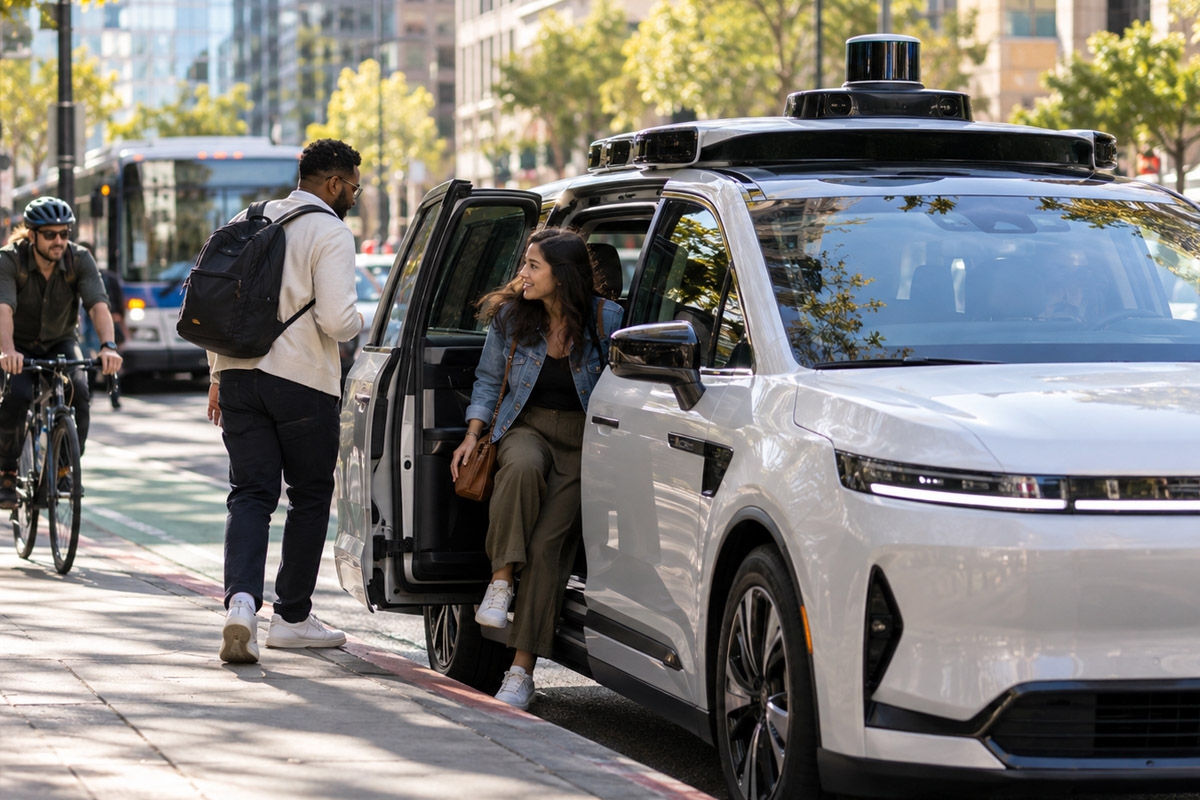
City travel is changing as technology becomes more closely connected with everyday transportation. Autonomous ride services, which use vehicles capable of navigating roads with limited or no direct human control, are becoming part of discussions about the future of urban mobility. Instead of relying entirely on traditional taxis, private cars, or scheduled public transportation, people may eventually be able to request a driverless vehicle through self-driving taxi companies, such as Zoox mobile application and travel to their destination without a human driver behind the wheel. This concept could provide another option for people who need convenient transportation for work, shopping, appointments, education, and social activities.
The role of autonomous ride services in daily city travel will likely depend on several factors, including safety, affordability, availability, local regulations, and public acceptance. Their usefulness may also vary between different cities because road conditions, traffic patterns, infrastructure, and transportation needs are not the same everywhere. Rather than completely replacing existing transportation systems, autonomous rides may develop as an additional service that works alongside buses, trains, taxis, bicycles, and privately owned vehicles.
Convenient Transportation for Everyday Trips
One of the main reasons autonomous ride services may become useful is convenience. A passenger could request a vehicle through an app, enter the destination, and allow the system to handle the journey. This could make short trips around a city easier for people who do not own a car or prefer not to drive. Daily activities such as traveling to an office, visiting a grocery store, attending a class, or reaching a railway station could potentially become simpler when transportation can be requested when needed.
Autonomous rides may also provide greater flexibility compared with fixed public transportation routes. A bus normally follows a specific schedule and route, while an autonomous ride could potentially take passengers directly between selected locations. This flexibility could be particularly useful during early mornings, late evenings, or times when public transportation options are limited. However, the actual convenience would depend on how widely these services operate and whether vehicles are available when passengers need them.
Connecting Different Parts of a City
Autonomous ride services could also play a role in connecting neighborhoods with major transportation hubs. For example, a passenger might use an autonomous vehicle to travel from home to a train station and then continue the journey using rail transportation. This type of connection could make public transportation more practical for people who live farther away from stations or bus stops.
Another potential benefit is improving access to areas that have fewer transportation choices. Not every neighborhood has frequent buses or convenient taxi services. If autonomous vehicles can operate efficiently across a wider area, they may provide another way for residents to reach workplaces, shopping districts, healthcare facilities, and educational institutions. Their value could therefore come not only from replacing car journeys but also from filling transportation gaps within a larger city network.
Potential Changes to Daily Commuting
Commuting is one area where autonomous ride services could have a noticeable impact. People who spend considerable time driving to work may eventually have another option that allows them to use travel time differently. Instead of concentrating on traffic, passengers could read, organize their schedules, communicate with colleagues, or simply relax during the journey, depending on the service and safety requirements.
Autonomous commuting could also change how people think about car ownership. If a reliable vehicle can be requested whenever needed, some people may decide that owning a private car is less necessary, particularly in cities where parking is expensive or difficult. At the same time, autonomous ride services may not eliminate private vehicles because families, businesses, and individuals have different transportation needs. Their impact will likely depend on pricing, reliability, coverage, and how well they integrate with existing mobility options.
Affordability and Accessibility
Cost will be an important factor in determining whether autonomous rides become part of ordinary city life. A service that is technologically advanced but significantly more expensive than public transportation may mainly attract passengers who can afford premium travel. For wider adoption, providers may need to develop pricing models that make rides practical for regular trips rather than occasional use.
Accessibility is another important consideration. Autonomous transportation could potentially benefit people who cannot drive because of age, disability, or other circumstances. Vehicles designed with appropriate accessibility features could make independent travel easier for some passengers. However, technology alone does not guarantee accessibility. Vehicle design, pickup locations, payment systems, customer support, and emergency assistance would all need to accommodate different passenger needs.
Safety, Traffic, and City Infrastructure
Safety will remain one of the most important issues surrounding autonomous transportation. Driverless systems must interpret road conditions, identify other vehicles and pedestrians, respond to unexpected situations, and operate reliably in different weather and traffic environments. Public confidence is likely to depend on how transportation providers demonstrate that these systems can handle everyday situations responsibly.
Cities may also need to adapt their infrastructure as autonomous services become more common. Pickup and drop-off areas, road markings, traffic signals, digital mapping systems, and communication networks could all influence how efficiently autonomous vehicles operate. If large numbers of vehicles are introduced without careful planning, they could potentially add to congestion rather than reduce it. For this reason, coordination between technology providers, transportation authorities, and city planners could be important.
Frequently Asked Questions About Autonomous Ride Services
Are autonomous ride services completely driverless?
The level of autonomy can vary between services and locations. Some systems may operate without a human driver in the vehicle under specific conditions, while others may still use safety operators or remote assistance. The technology and rules can differ depending on the company, vehicle, and jurisdiction.
Will autonomous rides replace taxis and buses?
There is no single outcome for every city. Autonomous services may operate alongside taxis, buses, trains, and other transportation options. Their long-term role will depend on cost, availability, regulation, passenger demand, and how effectively they complement existing transportation networks.
Can autonomous vehicles help reduce traffic?
They could potentially improve transportation efficiency through coordinated routing and shared rides, but the result is not guaranteed. If autonomous vehicles encourage more individual trips or operate without passengers, they could also contribute to additional road traffic. City planning and service design will therefore matter.
Who could benefit from autonomous ride services?
Potential users include commuters, visitors, people without private vehicles, older passengers, and individuals who cannot drive themselves. The actual benefits will depend on vehicle accessibility, geographic coverage, pricing, and the availability of suitable services.
Conclusion
Autonomous ride services may gradually become another part of daily city transportation rather than an immediate replacement for every existing travel option. Their greatest potential may come from providing flexible transportation for short journeys, connecting neighborhoods with public transit, supporting commuters, and offering mobility to people who have limited access to traditional driving options. As the technology develops, cities will have opportunities to determine how these services can work within their existing transportation systems.
The future of autonomous city travel will ultimately depend on more than advanced vehicles. Safety, affordability, accessibility, infrastructure, regulations, and public trust will all influence adoption. If these areas are addressed carefully, autonomous ride services could become a practical addition to everyday urban mobility, giving residents another way to move around increasingly busy cities.