A UTV is built for demanding terrain and hard work, but it still benefits from consistent, uncomplicated care. A practical routine does not require turning every weekend into a repair project. It means checking the machine before it is needed, cleaning it after harsh conditions, and following the manufacturer’s scheduled service plan. This guide on how to maintain your UTV can help make those habits part of your regular riding routine.
The right schedule depends on how the vehicle is used. A side-by-side that hauls supplies, pulls equipment, crosses muddy property, or spends full days on rocky trails may need attention sooner than one used occasionally on dry, smooth ground. Record the date, engine hours, mileage if applicable, parts replaced, and anything unusual you find.
Why A Seasonal UTV Care Plan Works
Seasonal checks create a useful pause before conditions change. Spring exposes storage-related problems; summer adds heat and dust; fall brings wet trails and debris; and winter requires either cold-weather readiness or thoughtful storage preparation. A phone reminder or simple maintenance log helps prevent overlooked jobs, especially when multiple people use the same machine.
When replacement items are needed, taking time to confirm fitment matters. Owners who shop side by side parts online should match components to the exact year, make, model, and configuration before ordering.
The Five-Minute Pre-Ride Check
A short inspection before every substantial ride can reveal a low tire, a loose fastener, a damaged boot, or a fluid leak before it becomes a larger problem. The ATV Safety Institute outlines a pre-ride inspection routine focused on tires and wheels, controls and cables, lights and electrical systems, oil and fuel, and the driveline and chassis. Use that framework alongside your UTV manual.
- Tires and wheels: Check pressure with a low-pressure gauge, look for cuts or embedded objects, and inspect wheel hardware.
- Controls and brakes: Confirm that the steering, throttle, shifter, brake pedal, and parking brake move and operate normally.
- Lights and electrical parts: Test headlights, brake lights, turn signals if equipped, warning displays, and the engine stop function.
- Fluids and leaks: Check engine oil, fuel, and coolant levels, and, where applicable, the ground beneath the vehicle for fresh drips.
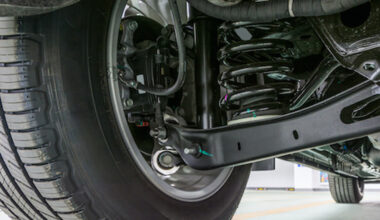
- Chassis and cargo: Look over suspension pieces, axle boots, skid plates, racks, tie-downs, and cargo security.
Spring: Bring The UTV Back Into Service
After storage, begin with a deliberate walk-around rather than immediately heading for the trail. Inspect battery terminals for corrosion, check that wiring is intact, and look for rodent nesting material around the airbox, seat area, engine bay, and exhaust. Examine hoses for cracks, inspect for fluid leaks, and ensure the fuel system is properly prepared for storage.
Check the air filter before dusty spring use, grease service points only where your manual calls for it, and inspect suspension joints and boots. Test the brakes at low speed in a clear area before operating at normal trail or work speeds.
Summer: Manage Heat, Dust, And Heavy Use
Hot weather, slow-speed work, towing, and deep dust can add stress to a UTV. Keep the radiator and its surrounding screens clear of grass, mud, seeds, and packed debris that can restrict airflow. Check coolant level only according to the manufacturer’s safe procedure, and inspect hoses for visible cracking, swelling, or soft spots.
Fine dust calls for more frequent air-filter inspections. Never reuse a filter that is torn, crushed, oil-soaked, or unable to seal correctly. After long rides over rocks or ruts, recheck tires, wheels, skid plates, and visible suspension hardware. A burning belt smell, slipping sensation, unusual noise, or reduced acceleration should be investigated before further riding.
Fall: Prepare For Wet Trails And Storage Decisions
Fall riding often means mud, standing water, leaves, and longer cleanup. Wash accumulated debris from the underbody, suspension, brake areas, and skid plates, then let the vehicle dry. Avoid directing high-pressure water at bearings, seals, electrical connectors, the air intake, and other sensitive areas.
Inspect axle boots, seals, exposed metal, and electrical connections after water crossings or heavy rain. This is also a good time to inventory recovery gear, winch equipment, straps, tools, and first-aid supplies. Decide whether the UTV will remain in regular winter service or be stored.
Winter: Use It Safely Or Store It Properly
If The UTV Will Be Used
- Check tire pressure as temperatures change and inspect the battery condition more often.
- Use only fluids and lubricants approved for the temperatures and vehicle model in the owner’s manual.
- Clear packed snow, ice, mud, and debris from controls, belts, joints, and cooling areas before operation.
If The UTV Will Be Stored
- Wash and dry the vehicle thoroughly.
- Complete due fluid and filter service.
- Prepare the fuel system exactly as the manual directs.
- Disconnect the battery or use an appropriate maintenance charger.
- Set tire pressure to the manufacturer’s recommendation and store the UTV in a dry, ventilated location.
Maintenance By Time And Use
Before Every Ride
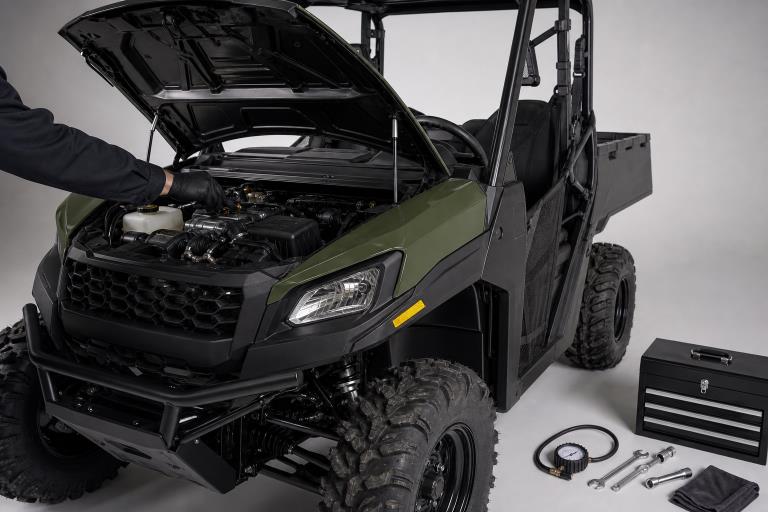
Inspect tires, brakes, steering, fluids, lights, cargo, and required safety equipment. Bring a tire gauge, basic tools, a flashlight, gloves, shop towels, a first-aid kit, a recovery strap, and the owner’s manual or a digital copy.
After Muddy Or Wet Use
Remove any packed material, rinse carefully, dry any accessible electrical areas, and check for fresh damage to boots, seals, wiring, and brake components.
At Scheduled Service Intervals
Change fluids and filters, inspect drive components, brakes, wheel bearings, suspension parts, and fasteners at the intervals specified for your vehicle and its operating conditions.
Warning Signs That Need Prompt Attention
Do not dismiss grinding, clicking, squealing, knocking, steering looseness, a soft brake pedal, recurring overheating, leaks, smoke, burning odors, repeated battery failure, or sudden power loss. Stop operating when continued use could affect control or cause damage. Professional service is appropriate for brake repairs, steering faults, electrical diagnostics, cooling-system problems, bearing replacement, transmission concerns, and major drivetrain work.
Before a long trip, a heavy work season, or a sale, a professional inspection can provide added confidence. Riders should also follow local rules and basic ROV safety practices, including using seat belts, protective gear, and properly sized seating positions.
Common Questions About UTV Care
How Often Should A UTV Be Inspected?
Perform a quick pre-ride inspection every time, then complete scheduled service according to the owner’s manual. Dust, mud, heat, towing, and storage can justify more frequent checks.
Should The Air Filter Be Cleaned Or Replaced?
Follow the filter and vehicle manufacturer’s instructions. Replace any element that is damaged, contaminated to the point that it cannot be safely cleaned, or unable to seal properly.
Conclusion
Dependable UTV care comes from small, repeatable actions. A five-minute inspection, a seasonal plan, accurate service records, and a prompt response to warning signs can help keep a machine ready for safer riding and productive work throughout 2026.