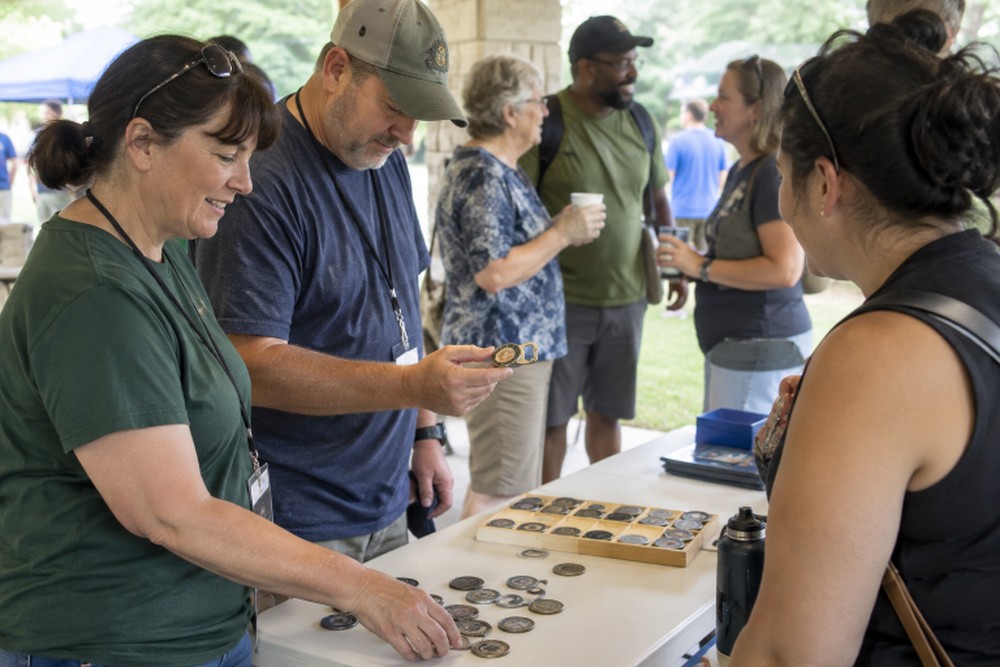
A memorable event item does not need to be large, expensive, or complicated. It needs to feel relevant to the people receiving it and offer a reason to keep it nearby. For a casual gathering, team celebration, fundraiser, or reunion, challenge coins with a bottle opener are one example of an object that combines a commemorative detail with a familiar everyday use.
The value of a keepsake comes from the meaning a person attaches to it. Souvenirs can represent a place, occasion, or shared memory, so the most effective event pieces connect a simple object to an experience recipients want to remember.
Table Of Contents
- Why Practical Keepsakes Work
- Start With The Audience
- Choose The Right Function
- Build A Clear Design
- Balance Memory And Use
- Review Materials And Comfort
- Avoid Common Design Mistakes
- Create A Simple Planning Process
- Measure The Result
- Final Checklist
1. Why Practical Keepsakes Work
A practical keepsake has a place in everyday life. It may live in a kitchen drawer, on a key ring, in a work bag, or on a desk. Each use can bring the event back to mind without demanding attention. In contrast, an item with no clear purpose may be appreciated briefly but is easier to set aside.
Imagine a volunteer cleanup day that gives team leads a compact, durable tool or token marked with the event name and year. The object recognizes their contribution, but its usefulness gives it a life beyond the closing remarks. The goal is not to fill a giveaway bag. It is to provide something recipients will be glad to keep.
2. Start With The Audience
Choose the recipient before choosing the item. A formal recognition dinner, a youth tournament, an industry conference, and an outdoor charity event call for different approaches. Consider where people are likely to use the keepsake, how they will carry it home, and whether it is meant for every attendee or a smaller group being honored.
Questions To Ask
- Who will receive it, and what matters to them?
- Will they use it at home, at work, outdoors, or while traveling?
- Should it feel polished, playful, rugged, simple, or ceremonial?
- Will guests need to carry it during the event?
- Is the piece a general attendee gift or a recognition item?
3. Choose The Right Function
Select one familiar function and make it obvious. Carrying, opening, organizing, displaying, or identifying are all understandable purposes. A quick test is to show the concept to someone outside the planning group and ask whether they immediately know what it does. If an explanation is required, simplify the idea.
4. Build A Clear Design
Begin with one main visual element, such as a mascot, a local landmark, a shared phrase, or an event mark. Then add only the details that identify the occasion. Too much text, several competing logos, and tiny dates can make even a quality piece hard to read. Review artwork at the actual finished size, not only on a large screen.
5. Balance Memory And Use
Function does not remove sentiment. A meaningful date, a recognizable location, or an inside phrase can turn a useful object into a conversation starter. Avoid trying to record every sponsor, activity, and agenda detail. A single strong memory cue leaves room for the recipient to supply the rest of the story.
6. Review Materials And Comfort
Before approving a design, assess size, weight, texture, edges, finish, and expected wear. An item that is awkward to hold, difficult to store, or prone to visible damage is less likely to become part of someone’s routine. Ask for a digital proof and, when timing permits, a physical sample.
Readability matters as much as appearance. Use sufficient contrast, avoid relying on color alone to communicate important information, and give lettering enough space to remain legible.
7. Avoid Common Design Mistakes
- Adding more text than the final size can support.
- Choosing novelty over a function that fits the audience.
- Ignoring portability, weight, comfort, or sharp edges.
- Approving artwork without checking names, dates, spelling, and placement.
- Selecting a finish that does not match expected use.
- Ordering before confirming attendance estimates and extra quantities.
8. Create A Simple Planning Process
- Define what the keepsake should recognize or accomplish.
- Identify the recipients and their likely needs.
- Choose one useful function.
- Create a simple design centered on one memory cue.
- Budget for production, packaging, shipping, and extras.
- Proof every detail, then review a sample if possible.
- Assign responsibility for receiving, storing, and distributing the order.
9. Measure The Result
Success is not limited to photos or social posts. After the event, ask recipients whether they kept or used the item, what they liked, and what felt unnecessary. Also review whether distribution was smooth and whether people understood the item’s purpose. These answers can improve the next event and make future budget decisions easier.
Current Examples And Supporting Resources
When seeking inspiration, look beyond the event industry. Museums, community festivals, sports teams, and visitor destinations often use mugs, pins, tokens, and other small objects to mark a shared occasion. The best lesson is not to copy a trend. It is to notice how a recognizable symbol, a usable format, and a clear occasion can work together.
10. Final Checklist
- Does the item fit the audience and event?
- Is its purpose clear within a few seconds?
- Can recipients use it more than once?
- Does the design focus on one strong memory cue?
- Are the size, weight, edges, and finish comfortable?
- Is all lettering readable at the final size?
- Have the budget, quantity, proof, delivery date, and distribution plan been confirmed?
Conclusion
A great event keepsake does more than mark an occasion. It gives people a reason to remember it. By choosing meaningful designs, durable materials, and thoughtful details, organizers can create challenge coins that recipients will proudly display, carry, and keep for years to come.