A central air conditioner usually gives small warnings before a breakdown on a hot day. Reading those early signs and performing a few simple checks can help you protect the compressor, avoid electrical hazards, and provide a technician with better information. This article focuses on what homeowners can verify without opening panels: airflow at supply vents, thermostat behavior, sounds from the outdoor condenser, ice on refrigerant lines, and water around the furnace or air handler. It also explains what those clues often mean inside the system, when to power the unit off, and the simple steps you can take to prevent the same failure from reappearing after a repair.
Early AC symptoms you can safely verify
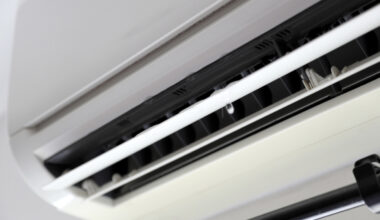
Start with what you can observe. Is the supply air warmer than usual, or airflow weaker at several vents? Does the system “short cycle” by turning on and off every few minutes? Look at the insulated copper suction line near the indoor unit and at the evaporator access panel; frost or ice is a critical finding. Check for water in the condensate pan or on the floor around the air handler. If your basic checks suggest a repair is needed, you can review local repair information at https://legendairtx.com/ac-repair-aubrey/.
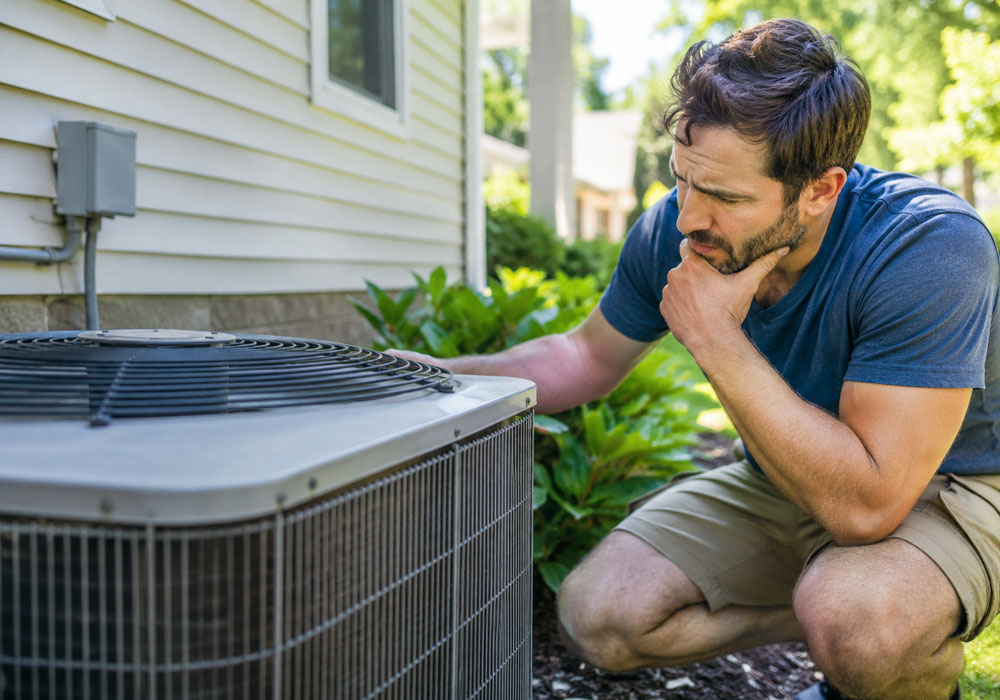
Listen at the outdoor condenser. A steady hum with a fan blade that is not spinning points to a capacitor or fan motor issue. Rapid clicking or chattering can indicate a worn contactor. Indoors, a sour or musty odor suggests a wet evaporator coil or clogged condensate drain, while an electrical or burning smell calls for immediate shutdown. Finally, confirm that the thermostat is calling for cooling and that its display is stable; low batteries, incorrect mode (heat instead of cool), or miscalibration can mimic a mechanical failure.
What those symptoms usually indicate inside the system
Weak airflow and ice on the suction line often trace back to a starved evaporator coil. A severely clogged air filter, a blocked return grille, a collapsed duct liner, or a failing blower motor can all reduce airflow; the coil gets too cold and begins to freeze, further choking airflow in a vicious cycle. Warm supply air from a very hot outdoor unit may indicate a dirty condenser coil that cannot reject heat, driving up head pressure and stressing the compressor. A humming condenser with a stationary fan is commonly a failed dual-run capacitor; continuing to run in this state can overheat the compressor windings. Intermittent shutdowns accompanied by water around the air handler often result from a clogged condensate drain line that trips a float switch. Repeated breaker trips suggest a shorted compressor, a seized fan motor, or damaged wiring insulation; resetting it repeatedly risks fire and equipment damage. Low refrigerant from a leak can cause long run times, icing, and short cycling, but topping off without addressing the leak is only a temporary bandage and is not a homeowner task.
Checks you can do before calling for service
Replace or test the air filter first. A filter that is bowed, gray with dust, or months overdue can be the whole problem. Confirm the thermostat is set to cool, the setpoint is below room temperature, and the fan mode is Auto. If the thermostat uses batteries, replace them. Outside, clear at least 18-24 inches of vegetation around the condenser so the coil can breathe. Verify the AC breaker in the electrical panel is on. If it trips, reset it once after waiting 5 minutes; if it immediately re-trips, stop and call a pro. Do not open the condenser disconnect or any sealed panel.
If you see ice on the evaporator panel or suction line, turn cooling off and set the fan to On to thaw the coil. Do not chip ice with tools. At the condensate line cleanout near the air handler, a slow drip or algae can indicate a clog; a wet/dry vacuum at the outside drain termination can sometimes restore flow, but stop if you are unsure of the route. Note model numbers, any blinking fault codes visible through sight windows, and the circumstances of the failure (time of day, thermostat setting, breaker behavior). These details help a technician isolate a faulty capacitor, contactor, blower relay, or pressure switch faster once they arrive.
When to shut the system down to prevent damage
Power off immediately if you smell burning, hear grinding from the blower cage, or see ice on the coil or suction line. Shut the system off if the breaker trips again after a single reset. If the outdoor unit hums but its fan is not turning, cut power to avoid cooking the compressor. Water overflowing from the drain pan is another stop-now situation; many air handlers include a float switch to prevent a ceiling leak, but not all do. Two realistic examples: late afternoon, the breaker trips when the condenser starts, then trips again right away; leave it off rather than repeating resets. Early in the morning, you notice frost on the copper line and weak airflow; switch off the cooling and run the fan to thaw before seeking service.
Preventing repeat breakdowns after a repair
After the fix, prevention starts with airflow and heat transfer. Replace filters on a schedule appropriate to your home and filter type, keep at least 2 feet of clearance around the condenser, and have the condenser coil rinsed from the inside out during annual maintenance. Keep the condensate drain clear at the cleanout, and consider a float switch if your air handler is above the living space. A moderate thermostat strategy helps too: very deep setbacks can cause long, high-stress recovery runs, yet never setting back may waste energy; choose a middle ground that avoids constant short cycling while maintaining humidity control. As a simple health check, measure the temperature difference between return and supply when the system is stable; roughly 15-20 degrees Fahrenheit is common for many systems. Record that baseline so you can recognize changes early next time.
Reading AC warning signs is not about guessing which part failed. It is about noticing clues in airflow, temperature, sound, water, and electricity, then taking the right first step. Replace the obvious filter, verify thermostat settings, reset a tripped breaker only once, and shut the system down when ice, burning smells, repeated trips, or stalled fans appear. Those decisions protect expensive components like the compressor and help a technician solve the problem faster. With a few safe checks and steady maintenance afterward, your system is far less likely to quit when you need it most.