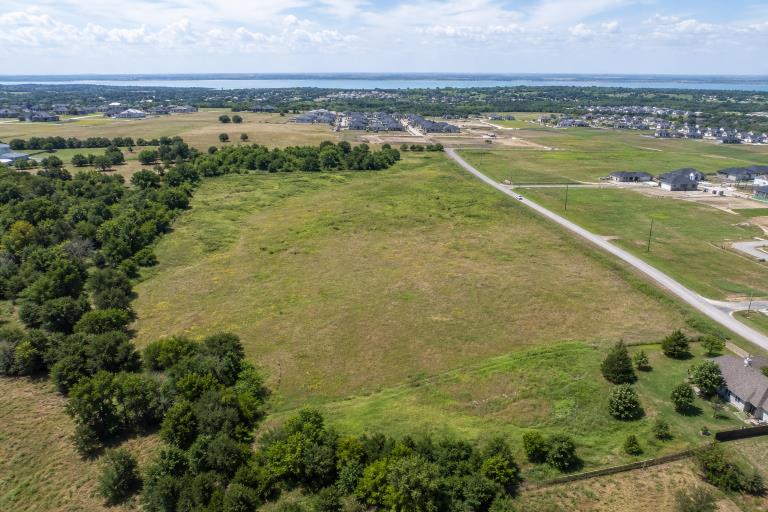
Key Takeaways
- Vacant land values depend on more than acreage, views, or road frontage.
- Confirm ownership, deeds, easements, liens, and other title concerns early.
- Review property taxes, appraisal records, and any special land valuation.
- Check zoning, permitted uses, restrictions, and development requirements.
- Verify legal road access and the availability and cost of utilities.
- Review drainage, floodplain conditions, environmental concerns, and site conditions.
- Compare recent sales of similar vacant parcels when estimating market value.
- Compare selling methods based on timeline, costs, contingencies, and net proceeds.
- Organize deeds, surveys, tax records, easements, and utility information before marketing.
Selling vacant land in Rockwall, Texas, can look simple from a distance. A parcel may have open space, road frontage, views, or a location near growing neighborhoods, but its real selling potential depends on details that are easy to miss. Owners who want to explore a faster sale can review options at https://www.atlaslandbuyers.com/sell-my-land-fast-rockwall-tx/, then compare that path with a traditional listing or another approach. Before setting a price or accepting an offer, take time to verify the facts that buyers, title companies, lenders, and local officials may review. Ownership, taxes, zoning, access, utilities, drainage, and site condition can all affect the timeline and the amount a seller ultimately keeps after closing.
Start With Rockwall’s Local Land Conditions
Vacant land in Rockwall can mean very different things. A small in-town lot, rural acreage, a tract near Lake Ray Hubbard, and land close to major travel corridors may appeal to entirely different buyers. Nearby homes, retail, road improvements, and active development can influence interest, but location is only the starting point. For owners comparing a direct-sale route with other selling methods, https://www.atlaslandbuyers.com/ is a good place to start evaluating the process. The best fit depends on the property’s condition, the seller’s desired timeline, and the net proceeds available after all closing obligations are paid. Within the City of Rockwall, planning and zoning resources include maps, codes, planning documents, and development case information that can help owners understand the setting around a parcel. These materials are useful for research, but they do not guarantee a zoning change, approval, or future increase in value.
Confirm Ownership And Property Records
Clear ownership is one of the first items to address. Locate the recorded deed and confirm every person, trust, estate, or business entity with an ownership interest. This is especially important for inherited land, property held by a deceased relative, or parcels that have changed hands within a family. Also identify recorded easements, liens, judgments, lease rights, or other title concerns. A title company may uncover issues later, but finding them early gives the seller more time to gather documents or seek qualified legal guidance. Rockwall County’s property record search tools can help owners begin locating recorded instruments, but the official records should be confirmed through the appropriate county office.
Review Property Taxes And Appraisal Records
Check the current appraisal record, tax statements, and payment history before marketing the land. Determine whether taxes are delinquent and whether the parcel receives an agricultural valuation or another special valuation. A sale can change how land is used or valued, so sellers should understand the possible financial effect before signing a contract. An appraisal district value is not automatically the market value of vacant land. It is one data point. Buyers often focus more heavily on access, usability, zoning, utility costs, and the parcel’s practical potential.
Check Zoning, Land Use, And Future Plans
Zoning can shape the buyer pool by affecting what may be built or operated on a parcel. Review the present zoning district, permitted uses, lot-size requirements, setback rules, overlay districts, and any special-use process that may apply. If the land is outside city limits, county, utility, deed restriction, and other rules may still apply. Reviewing future land-use materials and nearby planning activity can provide context, particularly where growth is changing the area. Still, buyers should not be promised a future rezoning, subdivision approval, or development outcome unless it has already been formally approved.
Verify Road Access And Utility Availability
Usable access can be as important as acreage. Confirm whether the parcel touches a public road and whether a recorded access easement supports any private route. A tract that appears reachable on an aerial map may still have an access issue that needs to be resolved. Ask about the nearest water, sewer, and electric service, along with the likely cost to extend or connect service. Some properties may require a well, septic system, driveway work, or additional engineering. For example, two five-acre tracts may look similar, but the one with paved access and nearby utilities may be easier for a buyer to evaluate.
Look For Drainage, Floodplain, And Environmental Issues
Walk the property and look for low areas, drainage channels, erosion, standing water, old structures, debris, or signs of dumping. Floodplain conditions, wetlands, buried tanks, and other site constraints do not necessarily prevent a sale. Still, they can affect construction options, price expectations, and the type of buyer most likely to proceed. A current survey, floodplain review, or environmental evaluation may be worthwhile when the parcel is unusual or when visible conditions raise questions. Sellers should accurately disclose known material issues rather than assume a buyer will discover everything independently.
Estimate A Realistic Market Value
Vacant land should not be priced solely by comparing it with a nearby house sale. A realistic value estimate considers the land’s highest practical use and the cost of making that use possible.
Factors To Compare
- Recent sales of genuinely similar vacant parcels.
- Parcel size, shape, frontage, and legal access.
- Zoning, restrictions, and development potential.
- Utility availability, topography, and drainage.
- Location relative to neighborhoods, services, and commercial activity.
- Survey needs, cleanup costs, holding expenses, and buyer demand.
Compare Different Ways To Sell
A traditional listing may provide broad exposure but can involve marketing, negotiations, showings, and a longer wait. A direct sale may simplify the process, though sellers should still compare the offer against reasonable alternatives. Owner financing may attract additional buyers, but it creates collection and contract responsibilities. An auction can create a defined timeline, while the final price may be less predictable. Compare net proceeds rather than focusing solely on the offer amount. Commissions, title expenses, taxes, survey costs, loan payoffs, cleanup, and closing charges can materially change the final result.
Prepare Buyer Documents
Organized records make a parcel easier to review. Gather the deed, survey, tax statements, easement documents, utility information, leases, mineral-rights documents, and any probate or trust paperwork that applies. Having these materials ready can reduce avoidable delays after an interested buyer appears.
Avoid Common Vacant Land Selling Mistakes
- Setting a price based on a guess or one unrelated sale.
- Ignoring delinquent taxes or title concerns.
- Assuming any desired use is permitted.
- Overlooking access, driveway, septic, or utility costs.
- Failing to disclose known site conditions.
- Accepting an offer without reviewing deadlines, contingencies, and net proceeds.
Common Questions From Rockwall Landowners
Does Vacant Land Need A Survey Before It Is Sold?
A survey is not always required to begin marketing, but it can help clarify boundaries, easements, access, and visible improvements. The need often depends on the property, the buyer, and the contract terms.
Can Land Be Sold With Past-Due Taxes?
It may still be possible, but unpaid taxes generally must be addressed through closing or another arrangement. The amount owed can reduce the seller’s proceeds.
Should The Seller Clear The Land First?
Basic cleanup can improve presentation, but major clearing or repairs should be weighed against the likely return on investment. Spending heavily without understanding buyer demand can create unnecessary costs.
Final Thoughts
Selling vacant land in Rockwall starts with good information rather than a quick price estimate. Confirm ownership, current taxes, zoning, access, utilities, property boundaries, site conditions, restrictions, and likely market value before choosing a sale strategy. It can also help to review recent comparable land sales, determine whether the property has development potential, and identify any issues that could affect buyer interest or the closing process. Keeping important documents organized, including the deed, tax records, surveys, and available property reports, can make the transaction easier to manage. A well-prepared seller is better positioned to avoid surprises, respond to buyer questions, evaluate offers more carefully, and select an option that matches the property’s actual condition, market circumstances, timeline, and the seller’s financial goals.