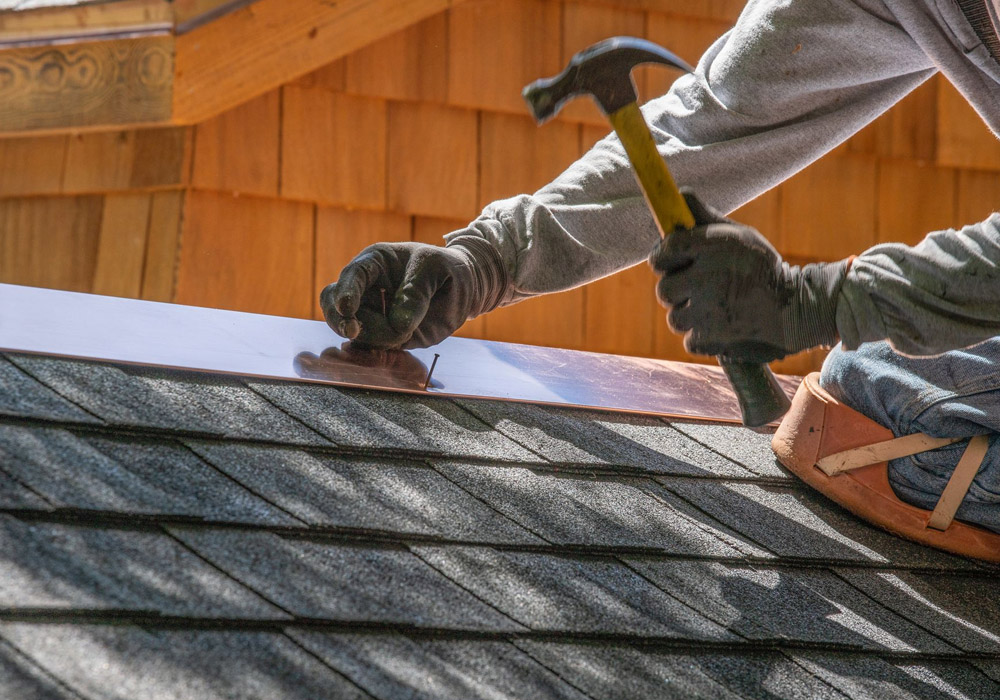
Roof repair involves fixing damaged sections of a building’s roof to protect the interior. Repairs should match the roof’s existing materials, whether that’s asphalt shingles, metal panels, or clay tiles, while replacement may involve installing a new type. A roofing company will help you understand the benefits of different materials and choose an option that matches your property’s needs. Here are some things to review when choosing the right materials for your roof repair:
Building Design
Your property’s architecture is a primary factor when choosing a roofing material. Many residential structures can support shingles, metal, or tile, but the pitch, or slope steepness, affects installation. Professional roofers should measure the slope before recommending a suitable material. A home’s architectural style should also guide decision-making. Shingles and metal roofing often come in various colors, so homeowners can match them to siding, shutters, or other exterior design elements. Tile roofs often feature earthy tones and rounded shapes. This makes them well-suited to homes with minimalist exteriors.
The roof’s design also influences which materials and repair methods are appropriate. A roofing company will replace cracked, wind-damaged, or missing shingles. Metal roofs may require repairs to seams and fasteners, while tile roofs require replacing individual tiles. Other common repairs include replacing curled shingles, fixing leaks, and addressing damaged underlayment.
Commercial buildings often feature flat or low-slope roofs, which require materials suited to their limited drainage angle. Repairs may involve restoring the roof membrane, sealing vulnerable areas, or addressing leaks around skylights and other openings. Choosing compatible repair materials helps protect the roof’s waterproofing system, and it preserves the building’s existing design.
Weather Conditions
Choosing a material suited to local climate conditions helps keep a property safe and durable year-round. Snow and ice add weight to roof structures, so resilient materials can reduce the need for frequent repairs. Metal or shingle materials protect against winter weather when selected for the roof’s slope and local snowfall levels.
Professionals also review how materials perform when they’re exposed to frequently changing weather. Materials like modified asphalt systems include additives that resist cracking during rapid temperature changes. Choosing a material suited to temperature fluctuations helps prevent premature wear, and it reduces the likelihood of weather-related roof damage.
Energy Efficiency
Your roof’s thermal properties often impact a building’s energy efficiency. Reflective surfaces reflect solar energy; this helps reduce interior heat absorption during warm periods. Commercial properties also benefit from reflective roofing materials that reduce heat absorption. Thermoplastic polyolefin (TPO) membranes often have light-colored surfaces that reflect sunlight and help limit heat buildup inside large facilities. Liquid-applied roof coatings provide another option, as they can improve a roof’s reflectivity and protect its existing surface. Sealing small flashing gaps around chimneys or vents also improves energy efficiency.
Material Durability
Long-lasting building protection requires components that resist physical degradation over time. Material durability often depends on the roofing system’s composition and installation methods. Metal shingles offer homeowners a durable roofing option. They consist of formed metal panels or individual pieces designed to overlap or interlock. Depending on their profile and finish, they can mimic the appearance of:
- Clay or concrete tile
- Wood shakes
- Asphalt shingles
- Traditional wood shingles
Routine upkeep maintains the durability of your chosen material. Clearing debris and removing snow and ice helps preserve the structural integrity of the base layers. Durable materials withstand routine cleaning and snow removal, and proper care helps preserve their surface and structure.
Hire a Roofing Company
Weather resistance, architectural design, and energy efficiency often shape material selection during a roof repair or replacement. Professional roofers use practical knowledge and expertise to provide customized, efficient solutions to a variety of structural designs. They assess the roof to identify repair needs, and they can guide you when selecting new roofing materials. Book a consultation with a roofing company today to learn more about their services.