Hot, humid summers across the Tennessee Valley push central air systems to their limits. In Florence, Tuscumbia, and neighboring towns like Russellville and Sheffield, a small performance slip in May can turn into a no-cool call by July. Catching early signs, understanding their causes, and knowing which checks you can safely do at home can help you stay ahead of peak heat. This article focuses on the symptoms homeowners notice first, the mechanical or airflow issues that often sit behind them, and the practical steps to take before the next heat wave arrives.
How Tennessee Valley Heat and Humidity Strain Central Air Systems
When outdoor air is muggy, your system must remove both latent moisture and heat. That means the evaporator coil needs consistent airflow and a coil surface cold enough to condense water without freezing. Attic temperatures can cook supply ducts and air handlers, raising static pressure and dropping cubic feet per minute through the blower wheel. Debris on the condenser coil, a weak condenser fan motor, or a tired run capacitor can further reduce heat rejection. Routine coil cleaning, airflow testing, and refrigerant charge verification are all typical parts of Florence air conditioning services that keep capacity and humidity control within the design range.
Early Warning Signs You Can Hear, Feel, or Smell
Uneven rooms and long run times are common first clues. If a back bedroom in a Florence ranch never cools or a bonus room over a Tuscumbia garage stays sticky, airflow or duct losses may be at play. Warm or weak supply air suggests a dirty filter, a matted evaporator coil, or a slipping blower wheel. Hearing the outdoor unit hum without the fan spinning points to a failing run capacitor or a stuck contactor. Finding ice on the suction line or evaporator panel often means low airflow or low refrigerant. Water on the floor near an indoor unit signals a clogged condensate drain line or a tripped float switch.
Smells also speak. A musty odor at startup can indicate microbial growth on a damp coil or in a saturated filter, while an acrid, electrical smell warrants an immediate power-off and inspection for overheated wiring or a failing motor winding.
What Usually Causes Those AC Symptoms in Split Systems
Most early symptoms stem from airflow, heat transfer, or control faults. A neglected filter or an undersized return plenum increases static pressure, starving the evaporator of air and driving coil temperatures below freezing. Ice forms, airflow drops further, and when it melts, you may see water spilling past the secondary drain pan. In attics around Russellville and Sheffield, leaky or crushed flex duct can pull in hot attic air, driving up both sensible and latent loads while lowering supply temperature and velocity at the registers. Low refrigerant due to a small leak reduces suction pressure and coil temperature, reducing capacity and causing intermittent icing. Outside, a clogged condenser coil or weak fan motor drives head pressure up, raising compressor amps and shortening its life. Inside, a sticky thermostatic expansion valve (TXV) or a miscalibrated thermostat can cause short cycling that never fully removes humidity, leaving rooms cool but clammy.
Safe Checks Homeowners Can Do Without Opening the Refrigerant Circuit
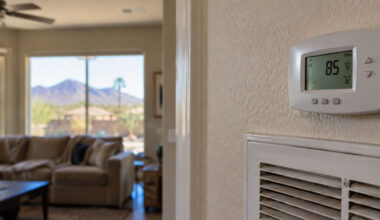
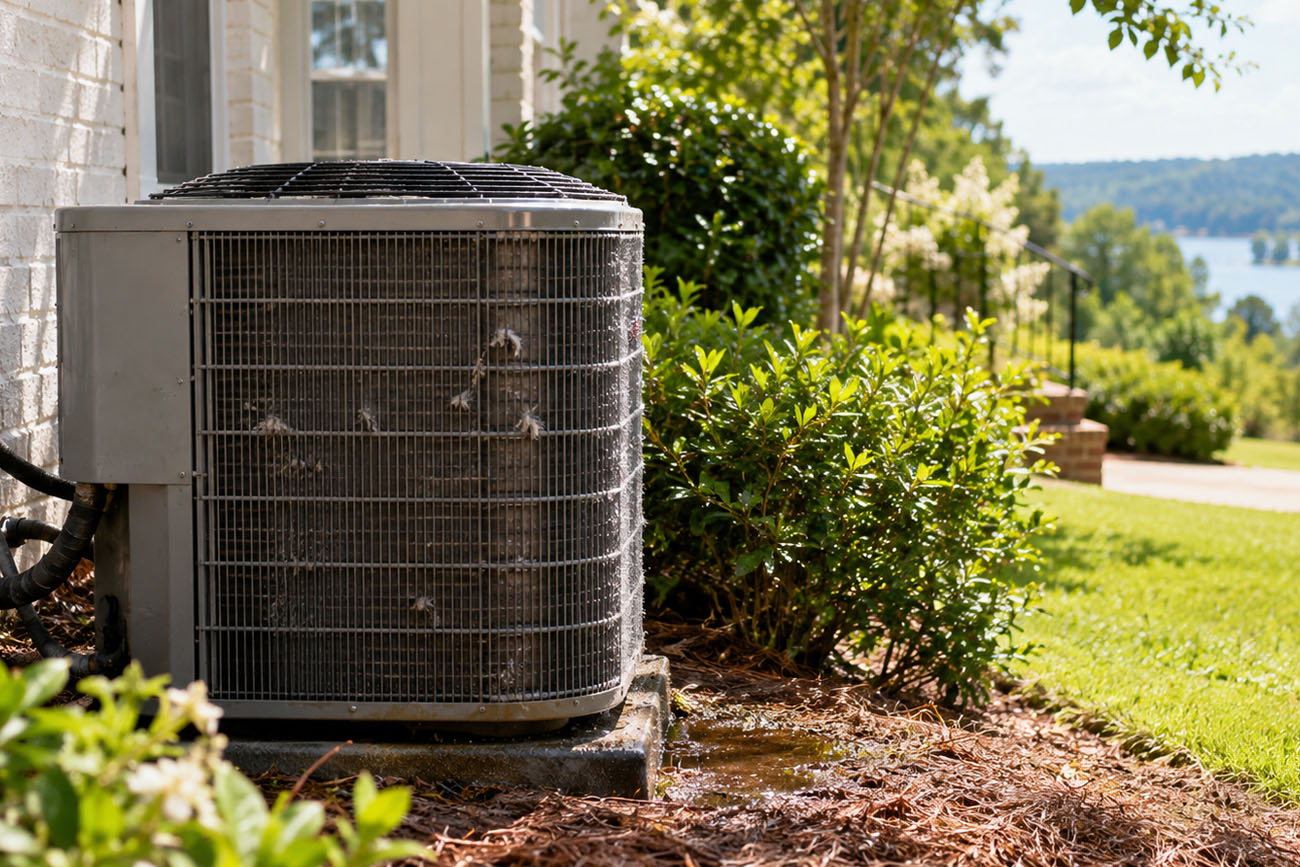
Start with airflow. Replace a clogged filter with the correct size, and consider a MERV-8 to MERV-11 rating for a good balance of filtration and airflow resistance; higher MERV ratings can restrict airflow if the filter rack is small. Make sure return grilles are unobstructed and supply registers are open, especially in rooms farthest from the air handler. Outside, clear at least two feet of space around the condenser and gently rinse the coil fins with a garden hose from the inside out. Avoid pressure washers, which can fold fins and choke airflow. Set the thermostat fan to Auto rather than On to prevent re-evaporating moisture from a wet coil between cycles. Pour a cup of white vinegar into the condensate drain line access to discourage algae and ensure the float switch can move freely. Inspect the suction line insulation; sun-rotted foam near the outdoor unit should be replaced to protect efficiency. A trade-off to keep in mind: deep thermostat setbacks can save energy but may increase indoor humidity on sultry days, so moderate setbacks often work better in our climate.
When to Call a Technician in Florence, Tuscumbia, Russellville, or Sheffield
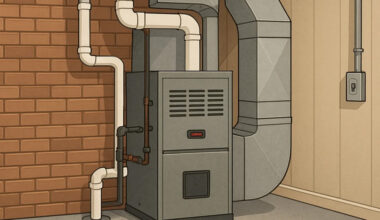
Schedule a professional evaluation if icing returns, the breaker trips repeatedly, supply air remains lukewarm after filter and coil rinsing, or the system short-cycles more than usual. A qualified technician will measure external static pressure, verify blower speed taps, and inspect the blower wheel for buildup. They will check, run, and start the capacitors with a meter, confirm the contactor’s condition, and measure the condenser fan motor’s amperage. On the refrigeration side, they will assess superheat and subcooling to pinpoint charge or metering issues, perform a leak check if needed, and clear and test the condensate safety devices. Real-world examples include a Tuscumbia farmhouse with long duct runs where return-side leaks drew in attic air, and a Sheffield townhouse where algae blocked the secondary drain, intermittently tripping the float switch and shutting off cooling on the hottest afternoons.
Putting It Together Before Peak Summer Arrives
Early attention to airflow, drainage, and coil cleanliness pays off when July and August bring high humidity. If you hear a new hum at the condenser, notice a warm breeze at a familiar vent, or find water near the air handler, treat it as a helpful heads-up. Replace the filter, clear the outdoor coil and surrounding brush, flush the drain, and confirm thermostat and fan settings. If symptoms persist or repeat, bring in a pro to test static pressure, refrigerant charge, and electrical components before heat stress turns a small fault into a major repair. With a few targeted checks now, homes in Florence, Tuscumbia, Russellville, and Sheffield can stay comfortable through the thickest summer air.