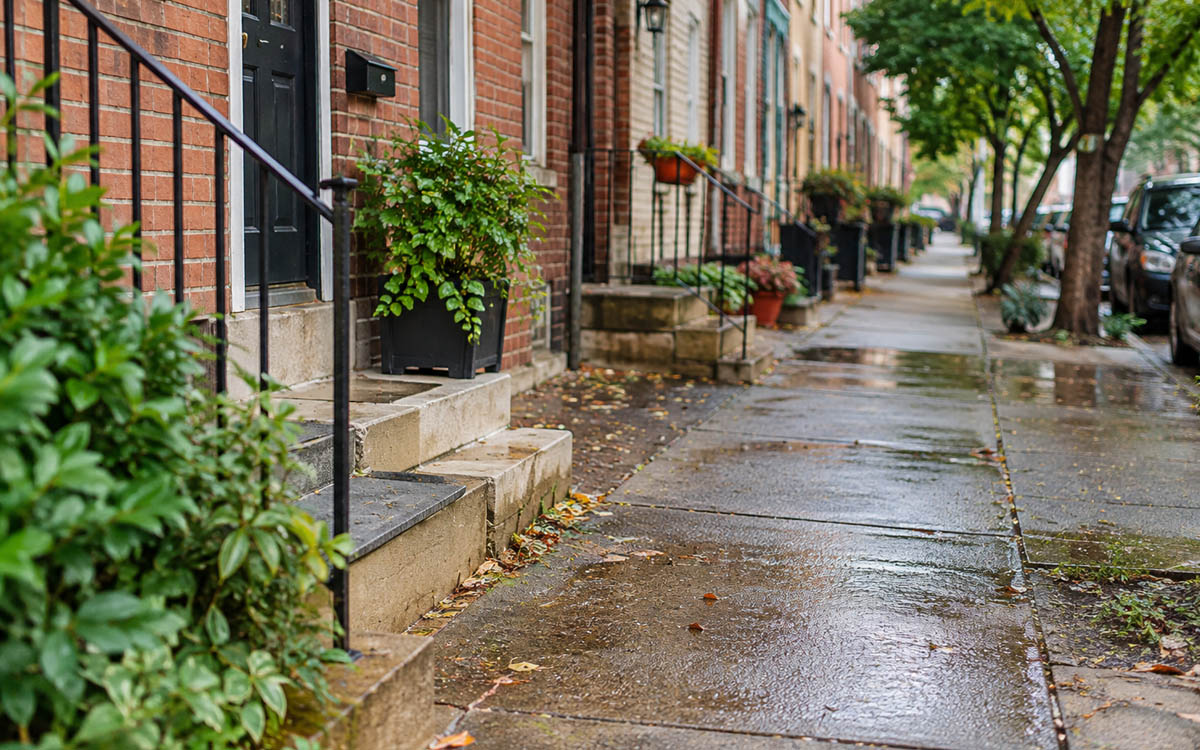
Philadelphia’s attached rowhomes share two traits that make sewer backups more likely during storms: basements below street level and older laterals connected to combined sewers. When a nor’easter or a fast summer downpour hits, the city main can surcharge, pushing wastewater toward the lowest fixture in the house. Add tree roots, settled clay tile, and years of grease, and you have a recipe for gurgling toilets and wet basement floors just when you least want them. This article explains practical warning signs to watch for, safe checks you can do right away, and durable fixes that reduce repeat events without guesswork or risky quick fixes.
1. What Early Warning Signs Look and Sound Like
A mainline problem rarely starts with a dramatic flood. More often, you will hear a toilet gurgle when the tub drains, see bubbles appear in a first-floor sink, or notice a wet ring forming around the basement floor drain. If multiple fixtures slow down at once, especially the shower, utility sink, and toilet on the lowest level, your main sewer may be struggling. A faint sewer odor near a floor drain or laundry standpipe after heavy rain is another warning sign. If you notice the first hint of cross-talk between fixtures during a storm, act quickly. Many homeowners search online specifically to find a plumber in Philadelphia who can inspect the main line with a camera and advise on immediate steps before the next storm cell passes.
Pay attention to how fixtures behave together. If a sink glugs after the washing machine discharges, the main line may be restricted, or the vent stack may be pulling on the trap. A toilet bowl that rises when a downstairs shower drains is a classic sign that wastewater is looking for the lowest escape path. Mark the waterline on the basement floor drain and check whether it creeps upward with every upstairs flush. Small changes like these often appear hours before a visible backup, giving you time to reduce water use and protect the lowest fixtures.
2. Why Storms Trigger Backups in Philadelphia Rowhomes
In many older neighborhoods, sanitary sewage and stormwater share the same underground main. During heavy rain, the combined main can become pressurized. When that happens, the pressure tries to equalize through each connected lateral, and the first opening it finds is often a basement floor drain, a low toilet, or a utility sink. Rowhomes often have long laterals with shallow slopes that run under the sidewalk to the curb trap, increasing the chance that a surcharge will push wastewater back toward the house instead of letting it flow freely toward the street.
Pipe condition also makes a significant difference. Clay tile laterals have joints where tree roots can enter and form dense mats that act like a net for wipes and paper. Cast iron can develop internal scaling, creating rough surfaces where grease collects and solidifies. Over time, settlement can create a belly in the pipe that holds water and debris. Any of these restrictions can prevent your lateral from keeping up when rainfall puts additional pressure on the system. The pattern is often predictable: gurgling comes first, followed by a floor drain that slowly weeps and eventually an overflow if household water use continues.
3. Safe Checks You Can Do Before a Plumber Arrives
Reduce inflow immediately. Pause the dishwasher, stop the washing machine, and avoid showers and unnecessary flushing if a backup seems imminent. Locate your main cleanout, which is typically a capped fitting near the front foundation wall or, on some blocks, a curb trap beneath a metal cover near the sidewalk. Do not remove a cleanout cap if the line is surcharged. A sudden release could send sewage into the room. Instead, note its location, clear a path to it, and photograph the area around your floor drain and any low fixtures so you can document the conditions when help arrives.
Check for related risks without taking apart any plumbing. Confirm that your sump pump is operating correctly and that its check valve prevents water from flowing back into the pit. Make sure the discharge line sends water outside, not into a floor drain. If a utility sink is the lowest fixture, placing a watertight plug in its drain temporarily may help prevent wastewater from entering through that opening. Use a wet/dry vacuum only when it is safe and appropriate to keep water away from appliances and the water heater. If you can do so safely, switch off power to nearby receptacles and raise belongings off the floor. These steps can limit damage while avoiding unnecessary exposure to the sewer line.
4. Corrections and Prevention That Actually Work
A properly installed backwater valve is one of the most effective defenses for a basement with low fixtures. It uses a one-way flapper to stop flow from the street while allowing normal wastewater discharge from the house. The tradeoff is maintenance. These valves need periodic cleaning so the hinge and gasket seal reliably, and the device may slightly restrict flow even when open. In homes with frequent sewer surcharging, that maintenance may be worthwhile. In other situations, a standpipe installed on a floor drain can temporarily raise the flood level, but it does not protect a low toilet or utility sink. It can allow pressure to build until wastewater finds another vulnerable opening.
Cleaning and inspection are just as important as protective hardware. Mechanical augering can cut roots and break apart paper blockages quickly, but it may leave grease and sludge behind. Hydro jetting can scour pipe walls and remove buildup more thoroughly, but the higher pressure may stress brittle clay pipes or damaged joints. For that reason, a camera inspection before and after cleaning is often advisable. For laterals with recurring root intrusion, scheduled root cutting or targeted foaming herbicide applied by a professional can reduce the likelihood of emergency calls during storm season. Everyday habits also matter. Capture lint with a mesh filter on the washer standpipe, let fats and oils cool before putting them in the trash instead of rinsing them down the drain, and consider installing an accessible cleanout if your system doesn’t already have one. Where a basement toilet sits below street level, an appropriate backwater device or properly reconfigured branch can help prevent repeated overflows.
5. What to Have Ready When You Call
Accurate details help a licensed plumber diagnose the problem more efficiently. Note which fixture showed symptoms first, which drains slowed at the same time, and whether the problem occurred during heavy rain or on a dry day. Share the location of your cleanout or curb trap, any previous repairs, and the known pipe material, such as cast iron, clay, or PVC. Short videos of gurgling sounds or a rising floor drain waterline can be helpful, along with timestamps showing when each symptom appeared. If you stopped using certain fixtures or temporarily plugged a sink, mention those steps so the technician understands the current conditions before opening a cleanout or inserting a camera.
Reducing the Risk of Future Backups
Philadelphia rowhomes will always be affected by changing weather conditions, but sewer backups do not have to become a seasonal routine. By recognizing early warning signs such as crosstalk between fixtures, reducing household water use at the first hint of trouble, and investing in measures such as a maintained backwater valve, scheduled cleaning, and documented camera inspections, you can reduce the likelihood of repeated problems. Keep pathways to cleanouts clear, create a simple storm checklist for the household, and contact a licensed professional promptly when the plumbing system begins showing unusual symptoms. These steps can turn a chaotic emergency into a more controlled service visit and make the next major storm far less disruptive.