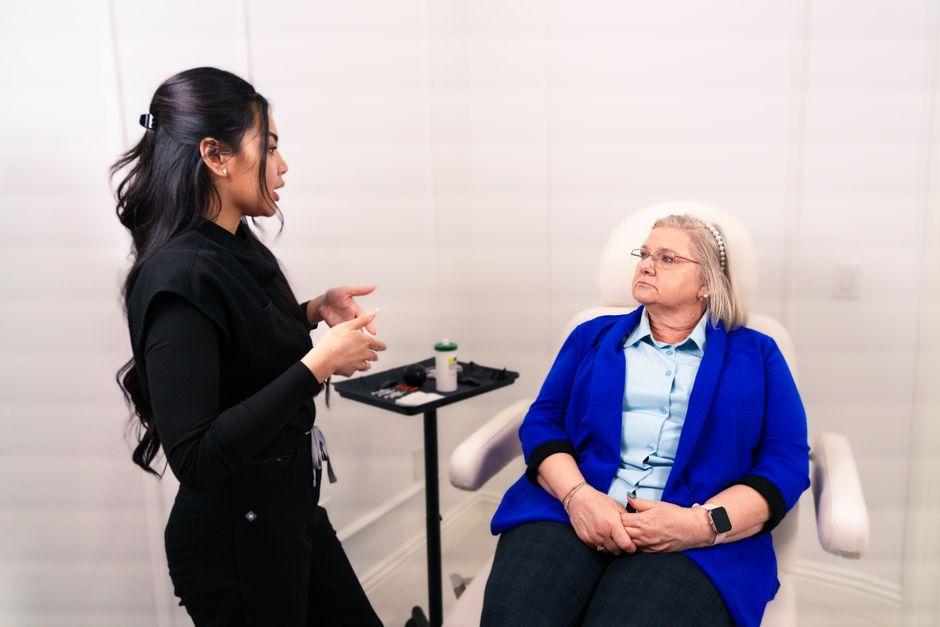
For women in Whitefish, wellness can look different from one season of life to the next. A routine that worked perfectly in your twenties may feel inadequate after pregnancy, during a demanding career stretch, or as hormonal changes begin affecting sleep, skin, energy, and body composition.
A useful approach is to stop treating health as a collection of unrelated fixes. Instead, think of it as maintenance: noticing changes, keeping preventive care current, supporting everyday function, and choosing professional help when a concern falls outside what a home routine can reasonably address.
Build a Care Team Before You Need One
Women often become very good at managing everyone else’s appointments while postponing their own. Building a personal care network makes preventive health easier because you already know where to turn when questions arise. Depending on your age and needs, that network might include a primary care clinician, gynecologist, dentist, dermatologist, mental health professional, physical therapist, or other qualified providers.
That same approach can extend to aesthetic and wellness goals that may change with age, hormones, pregnancy, stress, or shifts in body composition. Professional services can address concerns involving skin rejuvenation, body contouring, pelvic wellness, scalp and hair health, or medically supervised weight management when those concerns call for more than an at-home routine. For women interested in incorporating these services into their broader approach to self-care, choosing a Premier Med Spa in Whitefish can provide access to several treatment options in one professional setting.
The important distinction is that aesthetic and wellness services should complement appropriate preventive healthcare rather than replace it.
Stop Treating Sleep as Spare Time
Sleep is often the first thing sacrificed when work, parenting, relationships, and household responsibilities compete for attention. Yet consistently poor sleep can affect concentration, mood, appetite, energy, and the motivation to exercise.
Instead of aiming for an elaborate nighttime ritual, protect a repeatable sleep window. Reduce late-night work when possible, keep the bedroom comfortable, and notice whether caffeine, alcohol, screen use, or an irregular schedule seems to interfere with rest.
Persistent insomnia, loud snoring, breathing interruptions, severe daytime sleepiness, or a major unexplained change in sleep deserves professional attention. Hormonal transitions can also change sleep patterns, so a problem that appears suddenly should not automatically be dismissed as stress.
Better sleep is not indulgence. It is infrastructure for almost every other health habit.
Train for Strength, Not Just Calorie Burn
Exercise conversations aimed at women have historically placed enormous emphasis on becoming smaller. A more useful long-term goal is maintaining a body that remains capable.
Strength training can support muscle, bone health, balance, and everyday function. Walking, cycling, swimming, hiking, and other aerobic activity support cardiovascular fitness, while mobility work can help keep movement comfortable.
Think in practical terms: carrying groceries, getting up from the floor, climbing stairs, lifting luggage, enjoying outdoor activities, and remaining independent later in life. Those abilities make strength meaningful far beyond appearance.
If pain, pregnancy, a medical condition, or recovery from an injury affects exercise, individualized guidance can help you train more appropriately.
Pay Attention to the Pelvic Floor
Pelvic health is easy to ignore until symptoms begin interfering with ordinary life. Urinary leakage, pelvic pressure, pain, or changes following pregnancy and childbirth are sometimes treated as things women simply have to tolerate.
Pelvic-floor function can be affected by pregnancy, delivery, aging, hormonal changes, surgery, chronic constipation, high-impact exercise, and other factors. Depending on the concern, evaluation may involve a gynecologist, urogynecologist, pelvic-floor physical therapist, or another appropriately trained clinician.
Avoid assuming that doing more Kegel exercises is automatically the answer. Pelvic-floor problems can involve weakness, excessive tension, coordination difficulties, or other issues, and the appropriate approach depends on what is actually happening.
Let Your Skin Routine Change With Your Skin
Skin is not static. Oil production, sensitivity, pigmentation, acne, texture, and dryness can shift with hormones, age, climate, medications, pregnancy, and sun exposure.
That means the routine you have followed for years may eventually need adjustment. A basic foundation usually starts with gentle cleansing, moisturizing as needed, and consistent sun protection. From there, active ingredients or professional treatments should address specific concerns rather than simply following trends.
Whitefish residents should remember that cool weather does not eliminate ultraviolet exposure, particularly when spending time outdoors or around reflective snow.
New or changing moles, sores that do not heal, or other suspicious skin changes belong with a qualified medical professional. Cosmetic goals and medical skin concerns may overlap, but they are not interchangeable.
Make Food Support Your Day Instead of Controlling It
Nutrition advice can become so complicated that eating starts to feel like a test. Most women benefit more from a sustainable pattern than from repeatedly starting restrictive plans.
Build meals around foods that provide useful nutrition and satisfaction: vegetables and fruit, protein sources, whole grains or other fiber-rich carbohydrates, healthy fats, and adequate fluids. Individual needs can vary substantially with activity, pregnancy, medical conditions, medications, and life stage.
Notice how meals affect energy and hunger rather than judging them only by calories. If you are constantly exhausted, unusually hungry, or struggling with gastrointestinal symptoms, the answer is not necessarily greater restriction.
Significant unexplained weight changes, persistent digestive problems, or concerns about nutrient deficiencies deserve proper evaluation rather than another social-media diet.
Notice the Changes You Keep Explaining Away
Women frequently normalize symptoms because they arrive gradually. Fatigue becomes “being busy.” Heavy periods become “just how my cycle is.” Persistent headaches, hair changes, pain, mood shifts, or digestive problems get folded into daily life.
Keeping a brief symptom record can reveal patterns that memory misses. Note when a symptom occurs, how long it lasts, what makes it better or worse, and whether it relates to sleep, menstruation, food, exercise, or medication.
Seek timely medical care for concerning symptoms, and use urgent or emergency services when symptoms are severe or potentially dangerous. Wellness habits are valuable, but they should never become a reason to delay appropriate diagnosis.
Create a Routine That Can Survive a Bad Week
The strongest wellness routine is not the one you follow during a perfectly organized week. It is the one that remains recognizable when work gets hectic, the weather changes, a child gets sick, or your motivation disappears.
Create a minimum version of your routine. It might mean a shorter walk instead of a full workout, a simple balanced meal instead of elaborate meal prep, basic skin care instead of a ten-step routine, and an earlier bedtime rather than squeezing another task into the evening.
Women’s wellness is not a project with a finish line. Bodies change, responsibilities change, and health needs change with them. The goal is not perfect consistency. It is having enough awareness and structure to notice when your body is asking for something different—and enough flexibility to respond.