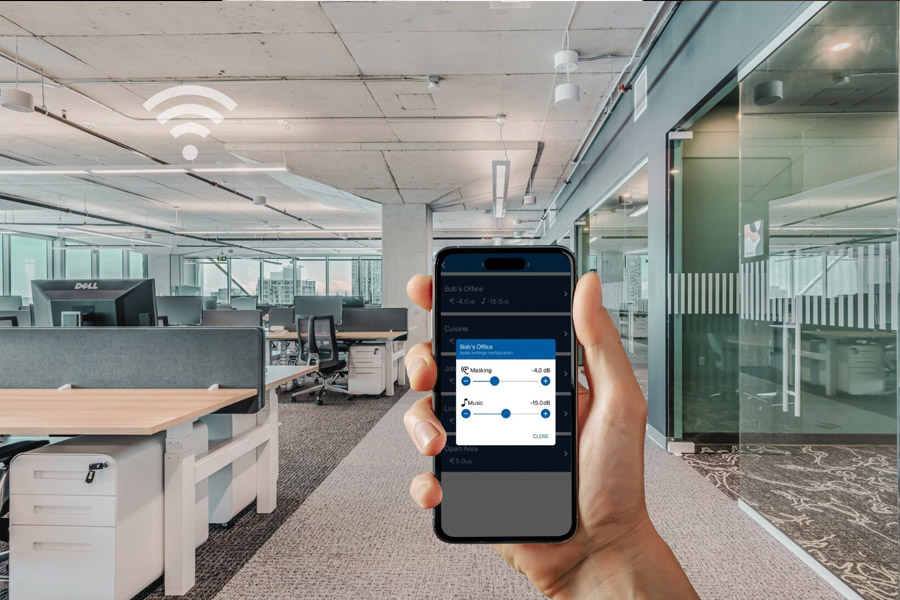
The New Electrical Backbone of Busy Buildings
One thing unites factories, warehouses, offices, retail centers, and mixed-use complexes. They crave power, data, and control more than ever. Many facilities survived with robust panels, predictable loads, and a clipboard-and-coffee maintenance crew a few years ago. Modern commercial and industrial spaces are increasingly like living machines, with lighting, sensors, automation, chargers, security devices, climate systems, and networked equipment all requiring care.
This modified electrical infrastructure’s role. Lights are no longer its exclusive purpose. It must speed up operations, save energy, decrease downtime, safeguard workers, and sustain continual change without a fit every time a new equipment comes. Thus, the electrical system must stop becoming the building’s cranky basement uncle. Strategic asset status is required.
Smart electrical design is now important to workplace effectiveness. Flexible, transparent, and intelligent power systems make buildings easier to operate and more growth-ready. Once a hidden utility, it now affects personnel, tenant comfort, and regulatory preparedness.
Why Old Systems Struggle in Modern Spaces
Many structures still use basic infrastructure. That configuration usually works until it doesn’t. A single overloaded circuit, aged transformer, or mysterious equipment breakdown may devastate operations quickly. Maintenance workers are rushing down halls, supervisors are updating outage dashboards, and everyone is wondering who touched what.
Contemporary operations require transparency, which legacy systems may lack. Teams may know how much power the building uses, but not where waste is occurring or which asset is failing. Maintenance becomes reactive, upgrades guessing, and budgets seem like ransom notes without precise understanding.
Adaptability is another issue. Businesses grow, reorganize floor plans, add automation, and install new technologies faster than older electrical systems can handle. Infrastructure that cannot develop smoothly slows growth.
When expanding operations or modernizing facilities in smaller communities, partnering with regional specialists like Summit Electrical Solutions in Newcastle helps ensure that wiring upgrades match local infrastructure demands. Proper planning during these transitions limits unforeseen delays, keeps power distribution balanced, and maintains safety standards as new machinery or automated technology is introduced.
Intelligence Is Changing How Power Gets Managed
One of the biggest changes in commercial and industrial environments is the rise of data aware electrical management. Intelligent platforms can now track loads, identify strange usage patterns, and alert operators before a small issue turns into a very expensive afternoon.
Because energy behavior changes, this matters. Demand fluctuates daily. Equipment wears. Changes in occupancy. The weather interferes. Production shifts. A team may only detect inefficiencies when a utility bill arrives searching for help in a traditional structure. An intelligent system continually evaluates events and allows real-time adjustments.
These tools go beyond counting. Help prioritize activity. A facility manager may observe which systems use too much energy, which assets act irregularly, and which performance trends are declining. Visibility makes maintenance and planning more strategic than guesswork.
Local facilities and regional service teams often emphasize the importance of keeping system documentation updated alongside these real-time tools. When managers review detailed site maps or check it out through local business listings, having accurate location and contact details ensures quick coordination during unexpected power issues or scheduled infrastructure upgrades.
Flexible Distribution Is Becoming a Competitive Advantage
Modern workplaces change constantly. Assembly lines evolve. Offices become hybrid. Retail layouts shift. Distribution centers add more automation and charging infrastructure. Traditional hardwired systems can make these transitions slow, costly, and disruptive.
That’s why flexible power distribution is popular. Modular techniques make electrical access expansion, relocation, and reconfiguration easier. Businesses can modify without tearing down barriers or closing major areas.
This flexibility has real economic value. Downtime is expensive. Construction delays are expensive. Overbuilding infrastructure just in case is also expensive. A modular strategy gives operators room to grow without committing to a rigid layout that may become outdated long before the paint dries.
In fast moving environments, adaptability is not a luxury. It is part of resilience. Facilities that can respond quickly to change are better positioned to absorb new demands without unraveling.
Buildings Are Learning to Think in Real Time
The smartest buildings no longer divide lighting, climate control, access systems, and electrical operations with thermostats and mysterious boxes. Centralized management platforms connect them, making the building easier to comprehend and run.
System communication improves decisions. Lighting adjusts with occupancy. HVAC can adjust to real-time circumstances. Peak power utilization can be better balanced. Instead of playing digital hide-and-seek among five dashboards, operators may monitor numerous systems from one interface.
This integrated method boosts efficiency and comfort. Employees and renters notice sturdy, well-lit, responsive buildings. They notice when conference rooms are frigid, loading bays are hot, and lights stay on in vacant places like ghost shows.
The practical benefit is that building teams can move from constant reaction to active oversight. Instead of chasing complaints, they can spot trends early and solve problems before occupants even notice.
Safety Is Getting Smarter and Faster
Electrical safety has always mattered, but modern control systems are raising the standard in important ways. Better monitoring makes it easier to detect irregular loads, overheating risks, failing components, and dangerous patterns before they escalate into incidents.
In busy situations where equipment is continually in use and operational pressure might entice teams to delay inspections or patch faults, early detection is vital. Smart controls reduce guessing. They can immediately identify concerns, notify, and aid intervention.
Automation enhances emergency response. Sometimes connected systems can isolate errors, shut off susceptible regions, or coordinate messages without waiting for someone to race over and hit buttons like a game show contestant. That speed safeguards people, equipment, and compliance.
As regulations grow stricter and workplace expectations rise, advanced electrical safety becomes less about box checking and more about operational credibility. Businesses are expected to know what is happening in their facilities and prove they can manage risk responsibly.
Sustainability Now Starts With Infrastructure
Presentations make sustainability objectives seem attractive, while mechanical rooms make them sound awful. However, significant progress occurs there. Energy-efficient electrical infrastructure reduces waste, boosts performance, and supports greener operations without compromising dependability.
This is crucial when companies balance environmental and economical goals. Smarter controls, load management, and equipment efficiency reduce emissions and operating costs. That combination grabs the attention of CEOs, facilities teams, and utility budget watchers alike.
Modern electrical systems also make it easier to integrate on site generation, battery storage, and other low carbon technologies. That creates more options for facilities that want to improve resilience while reducing dependence on traditional energy patterns.
The key point is that sustainability is no longer just about buying offsets or printing inspiring posters with leaves on them. It is increasingly built into the design, operation, and modernization of the electrical backbone itself.
Retrofitting Has Become a Practical Strategy
Not every business can build a shiny new facility from scratch, and frankly, most do not need to. Retrofitting existing infrastructure has become a practical path for organizations that want better performance without a total rebuild.
A careful refit can add monitoring, automation, safer controls, and more efficient components while keeping good system elements. Companies may modernize in phases, manage capital investment more realistically, and limit operational interruption using this method.
Phased modernization also helps teams learn as they go. Instead of betting everything on one massive project, they can evaluate early results, refine priorities, and expand improvements where the impact is greatest. That creates momentum and reduces the risk of expensive missteps.
For older industrial and commercial properties, retrofitting offers something especially valuable: a way to become more capable without pretending the building is something it is not. Good modernization respects the reality of the site while making it much more useful for the future.
FAQ
What makes a modern electrical system different from a traditional one
Modern electrical systems go beyond power distribution. It helps automate, monitor safety, track energy use, and adapt to changing operational needs. Many traditional systems are reliable, but they lack the intelligence and flexibility needed in today’s dynamic workplaces.
Why are businesses investing in smarter power infrastructure now
Cost reduction, uptime, sustainability, and facility technology support are pressures on businesses. Smarter electrical infrastructure meets all those needs. It provides decision makers greater information, which is crucial when resources are tight and expectations are high.
Can older buildings benefit from advanced electrical upgrades
Yes, very often they can. Many older facilities do not need complete replacement. Strategic retrofits can improve efficiency, safety, and monitoring while extending the useful life of existing assets. The result is often a more capable building without the disruption and cost of starting over.
How does intelligent monitoring improve maintenance
Teams can notice unexpected patterns before equipment fails using intelligent monitoring. Operators can see overheating, unstable loads, and diminishing performance before they break. That makes maintenance proactive, reducing downtime and saving money.
Do flexible distribution systems really matter in everyday operations
In dynamic areas, they matter much. Flexible distribution eases the transition of adding equipment, changing layouts, expanding output, or rearranging work areas. It reduces installation time, downtime, and future growth hassles.
Is sustainability really tied to electrical infrastructure
Absolutely. Efficient electrical systems reduce wasted energy, support cleaner technologies, and help facilities operate more responsibly. Sustainability is not just a branding exercise. In many buildings, it depends heavily on how power is managed, distributed, and optimized every day.