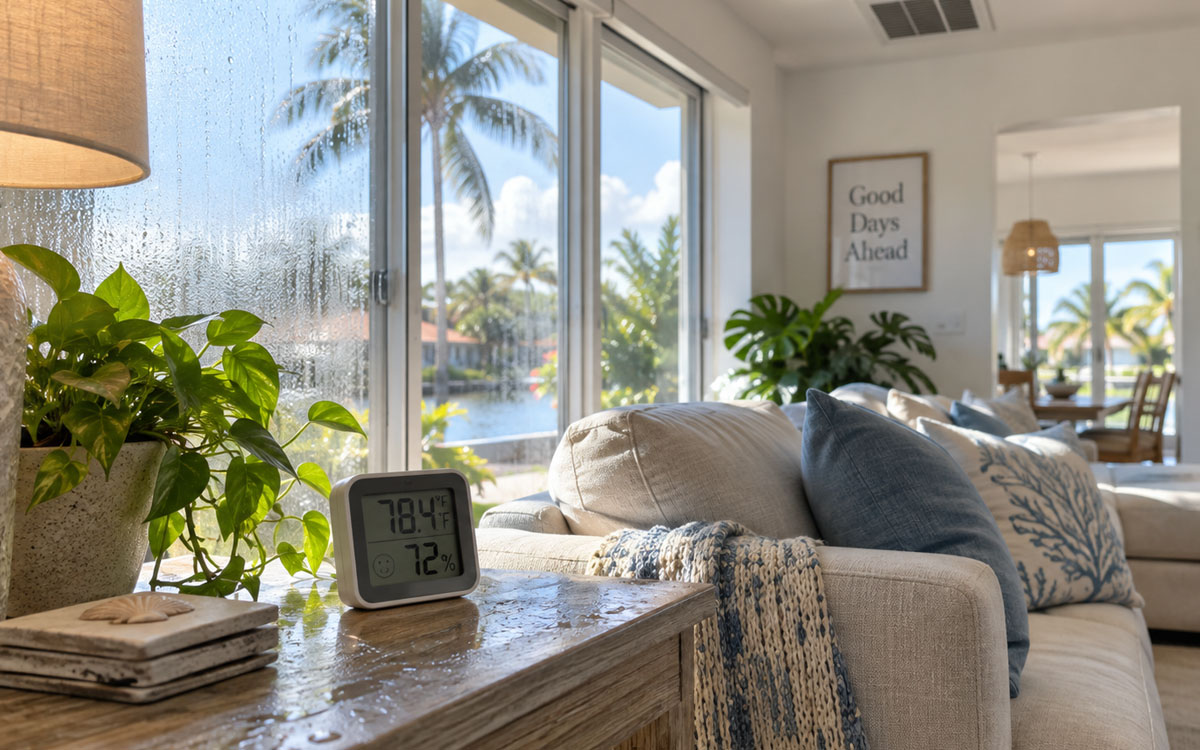
South Florida heat is only half the story. By late afternoon, ocean air drives up humidity, and homes that cool quickly can still feel sticky. One frequent reason is an oversized air conditioner that blasts cold air, shuts off, and never runs long enough to wring moisture from the indoor air. In coastal communities like Deerfield Beach, comfort depends as much on removing latent heat as it does on dropping the temperature. Getting a replacement system right means planning for humidity, not just square footage or nameplate efficiency, and paying attention to the details that determine how long the coil stays cold, how air moves through ductwork, and where moisture goes once it’s condensed.
Why ACs Get Oversized In Coastal Florida
When a system is replaced after a failure, contractors often choose size by rule of thumb or by matching the old unit’s tonnage. If the home has since gained low-e windows, a lighter roof color, better attic insulation, or sealed ductwork, the actual design load may be far lower. West-facing glass, unshaded patios, and leaky return ducts in a hot attic can skew judgment, too. If you are planning a summer replacement, reading up on Deerfield Beach AC installation helps frame the decisions around load, airflow, and dehumidification instead of defaulting to a bigger condenser.
Consider a single-story home near the Intracoastal with new impact windows and added ceiling insulation. The original 4-ton unit cooled the place when the envelope was leaky. After upgrades, a proper Manual J calculation might justify 2.5 to 3 tons. Swapping like-for-like because “it worked before” can introduce a moisture problem that didn’t exist once the shell improved.
How Short-Cycling Raises Indoor Humidity And Creates Risks
Oversized systems satisfy the thermostat quickly, so the evaporator coil has only brief periods below the dew point. The result is minimal condensate, higher indoor relative humidity, and a clammy sensation even at 74 degrees. Short cycles also mean more starts per hour, so ducts never fully dry, and supply registers can sweat in rooms with cooler surfaces. In closets and along exterior walls, you can see musty odors, swollen door edges, or spotting on baseboards as materials stay above 60 percent relative humidity for long stretches.
A realistic example: a townhouse with a 5-ton unit serving a tight, 1,800-square-foot interior and ducts buried in attic insulation. On hot afternoons, the system cools the thermostat area in minutes, shuts down, and leaves back bedrooms damp. The owner bumps the setpoint lower to feel dry, but energy bills jump, and condensation appears around the grille where warm, humid air meets chilled metal.
Sizing A New System For Deerfield Beach Weather Using Load Calculations
Right-sizing starts with ACCA Manual J, which accounts for window area and shading, roof color, insulation levels, duct location and leakage, infiltration, and occupancy. The calculation separates sensible load (temperature) from latent load (moisture), which is critical in a coastal climate. A follow-up using Manual S matches equipment to the calculated loads, paying attention to sensible heat ratio, coil performance at local design conditions, and fan capabilities. If ducts will be re-used, Manual D checks supply and return sizing so total external static pressure stays within the air handler’s rating, enabling the programmed airflow to be delivered.
Two nuances matter at the beach: infiltration and solar gain. A marginally sealed front door or a leaky attic return can pull hot, wet air into the system, jacking up latent load. Large west-facing sliders add afternoon sensible load. A careful load calc weighs both, rather than rounding up a half ton “just in case.”
Equipment And Setup Choices That Prioritize Moisture Removal
Capacity is not the only lever. Variable-speed or two-stage compressors paired with ECM blowers can run longer at lower output, keeping coil temperatures low and extracting more water. Many thermostats include a dehumidification mode that temporarily reduces fan speed to extend coil contact time; programming 350 cfm per ton during dehumidify calls, instead of a default 400 cfm per ton, can make a noticeable difference. Some systems offer hot-gas reheat or pair with a whole-house dehumidifier so moisture can be removed without overcooling bedrooms at night.
There are trade-offs. Pushing airflow too low risks coil icing if filters are dirty or ducts are undersized. Variable-speed equipment costs more upfront but gives finer control over sensible versus latent removal than a single-stage unit. High SEER2 numbers don’t guarantee dry air; check the equipment’s sensible heat ratio and dehumidification features, not just efficiency labels. If mechanical ventilation is required, an energy or heat recovery ventilator can temper outdoor air’s moisture load before it hits the coil.
Installation Details That Make Or Break Humidity Control
Field details often determine whether the plan on paper translates into comfort. Duct leakage testing and sealing with mastic or approved tape prevent depressurization that sucks attic moisture into returns. Right-sized returns, a smooth, insulated plenum, and balanced supplies keep static pressure within the blower’s range so target airflow is real, not theoretical. Filter area matters, too: a larger media cabinet reduces velocity, lowering noise and helping the coil run colder without strain.
Moisture must leave the house once captured. A properly sized P-trap on the primary condensate drain, a cleanout tee, and a float switch in the secondary pan protect ceilings from overflow during long, low-speed runs. Terminate the drain to a code-approved location with continuous slope so algae cannot stall flow. On the exterior, coastal air is hard on equipment, so a corrosion-resistant condenser coil, UV-resistant line-set insulation, and an elevated concrete pad with hurricane-rated tie-downs are smart. Avoid placing the condenser near an irrigation head or dryer vent, which can soak fins or reintroduce moisture-laden exhaust and reduce capacity over time.
Finally, verify charge and airflow. Technicians should confirm refrigerant levels by superheat or subcooling per manufacturer tables and set blower speed to meet the target cfm per ton. A system that is perfectly sized on paper but overcharged or starved in the field will still short-cycle and leave rooms muggy.
In a humid, salt-air climate, comfort depends on more than dropping the thermostat a degree. A Manual J-backed capacity choice, equipment that can run longer at lower output, and an installation that protects airflow and manages condensate are what dry a home out. For many Deerfield Beach homes, that means moving away from legacy tonnage and toward a humidity-first setup. A careful plan now prevents sticky afternoons, sweating registers, and musty closets later, while keeping energy use steady instead of chasing dryness by overcooling.