Hair extensions are strands of natural or synthetic hair that attach to your existing hair to add length, volume, or color. Stylists apply them using several methods, including tape-in wefts and sew-in bundles. Each technique suits different hair types and style needs. Here’s information on extensions and how stylists apply them to create a cohesive hairstyle:
What Lived-in Extensions Are
Natural, lived-in extensions blend seamlessly with your own hair, so the finished look appears effortless and undetectable. Stylists select extension hair that matches your color, texture, and density, then place it strategically to mimic organic growth patterns. This process aims to add movement and dimension without creating a bulky or uniform appearance.
Lived-in extensions rely on color blending and subtle placement, so people get them for many different reasons. Rather than adding obvious length in a single block, a stylist layers the extensions to follow your hair’s natural fall. This method works well for people who want a low-maintenance result that grows out gracefully. The extensions should feel like an extension of your existing style, not a separate addition sitting on top.
How Consultations Support Your Results
A consultation is the foundation of a successful extension service. During this appointment, your stylist evaluates your hair’s condition, length, and density to recommend an appropriate method for your goals. You can discuss color matching, styling, and the time commitment each extension option requires. Your stylist will explain how long the extensions last, how often you need maintenance appointments, and how to care for them at home. This planning stage supports your hair goals and helps you know what to expect.
How Lived-in Extensions Are Applied
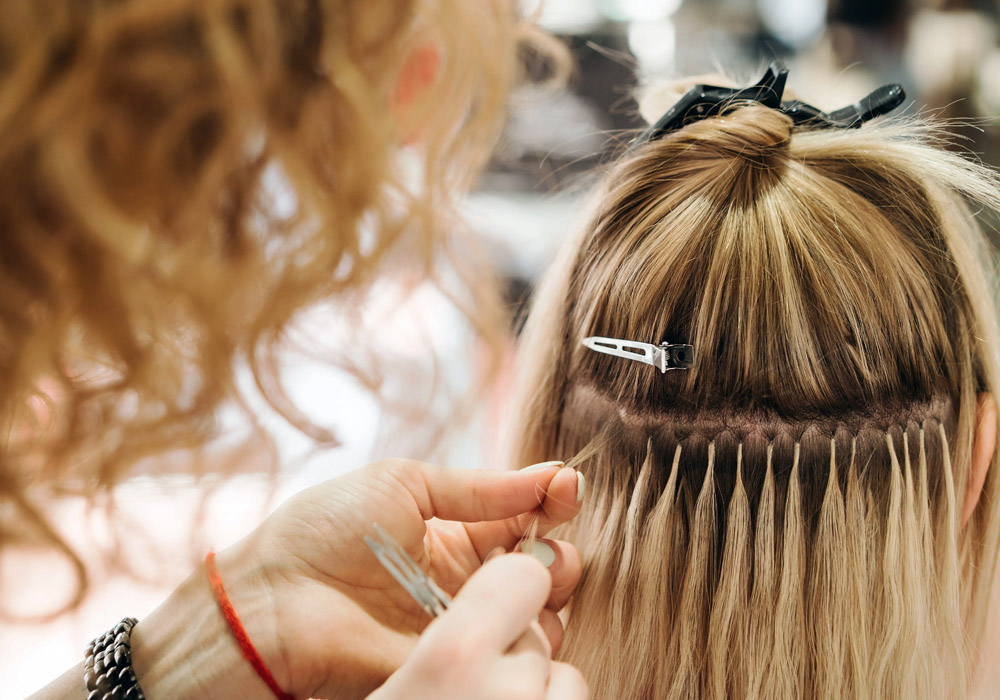
The application process varies by extension method, but the principles of blending and placement stay consistent. Tape-in extensions use thin wefts backed with adhesive strips. To apply tape-ins, a stylist sandwiches a section of your natural hair between two wefts. They then press them together to hold the extension in place.
This extension method lies flat against the scalp, which keeps it discreet under a layer of your own hair. Tape-ins typically last several weeks before they need repositioning as your hair grows. Because they add minimal bulk, they suit fine or thin hair well. Some stylists offer non-adhesive extension options that are small strands attached to the natural hair with small beads. These may last longer and blend in more easily than tape-in options, but they take longer to apply.
Hand-tied wefts are another option that attach to a small track of braided hair or beaded foundation. A stylist sews the weft onto this base using thread, securing it without adhesive. This technique allows precise extension placement and creates natural volume through the mid-lengths and ends. Hand-tied wefts require more skill and time to install, but they offer flexibility for layering multiple rows. This approach works for people who want fullness and length while keeping a soft, believable result.
Find a Hair Extensions Specialist Today
Choosing a hair stylist makes a measurable difference in how your extensions look and last. Look for a stylist who has specific training in extension methods and a portfolio that demonstrates natural, blended results. Ask about their experience with your hair type and the maintenance schedule you should expect. A skilled specialist matches your color, texture, and hair growth patterns to support your aesthetic hair goals. To learn about your hair extension options, contact a stylist near you to book a consultation appointment.